













In demanding chemical and process environments, material selection has a direct impact on safety, reliability and long-term plant performance. Where highly corrosive or high-purity media are involved, standard carbon steel or stainless steel may not offer the required protection. Exotic alloys can provide an answer in some duties, but they often bring higher costs, longer lead times and more complex fabrication requirements. Additionally, metals are not universal corrosion resistant over the full temperature and concentration range.
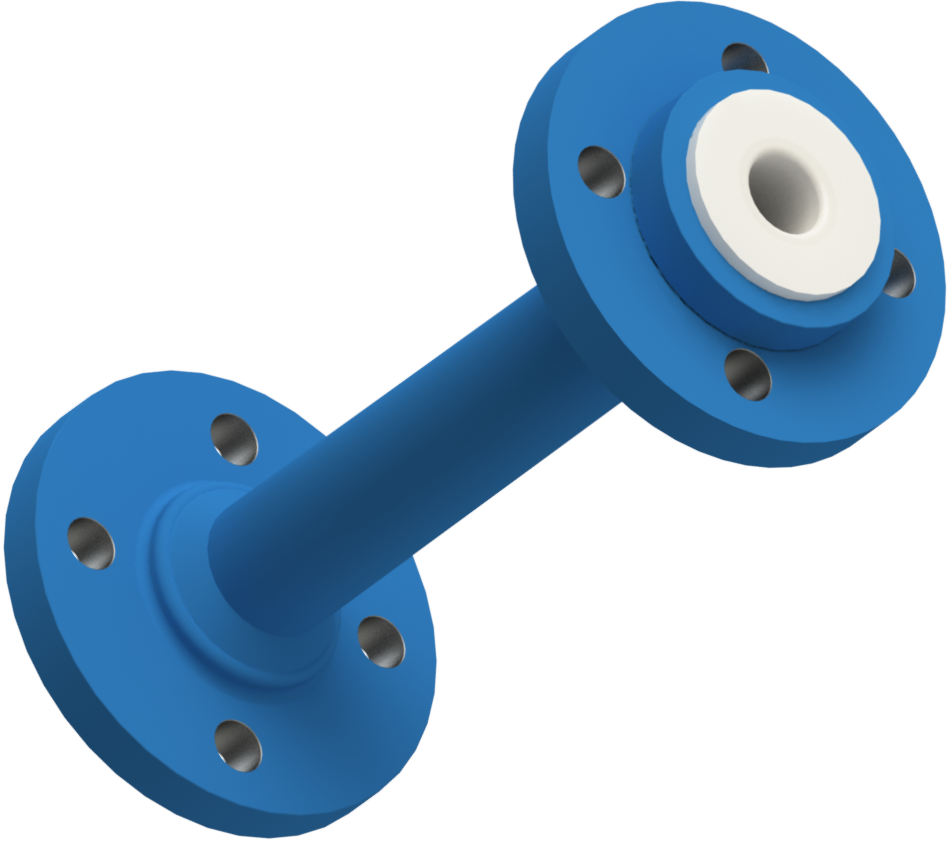
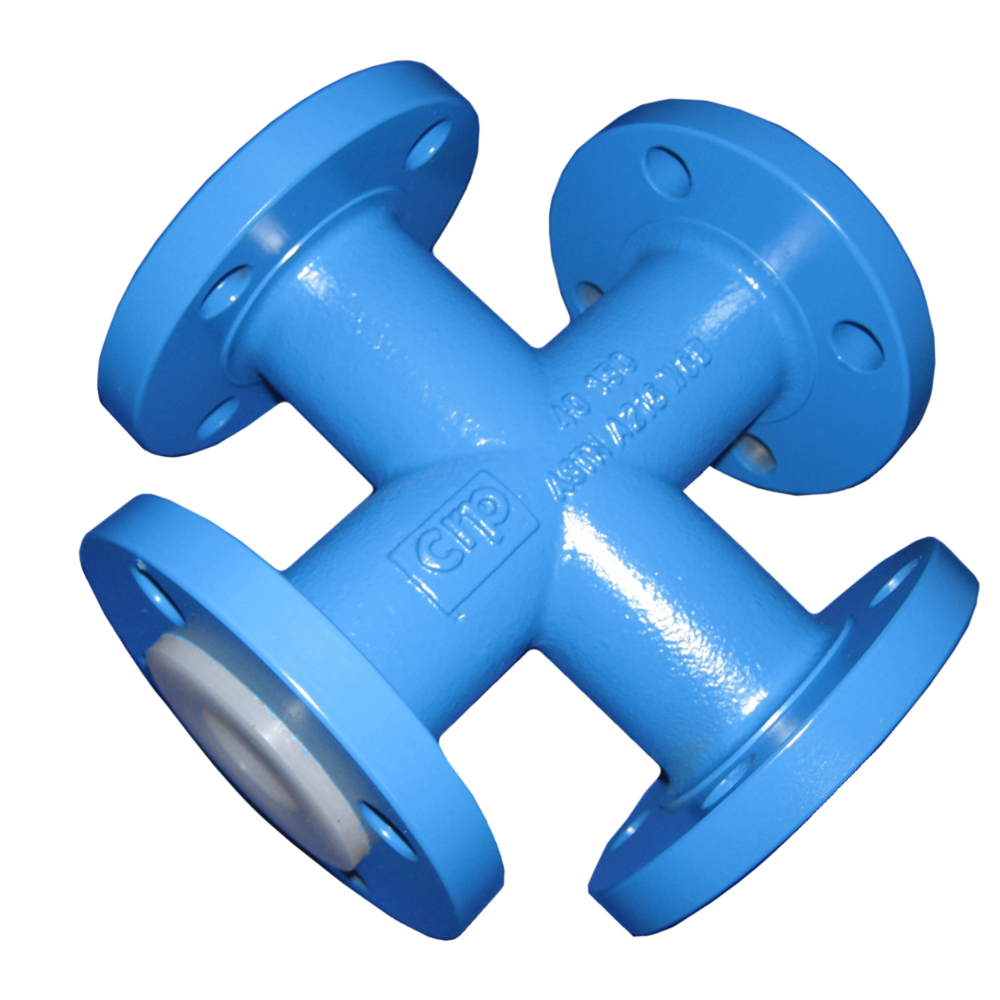
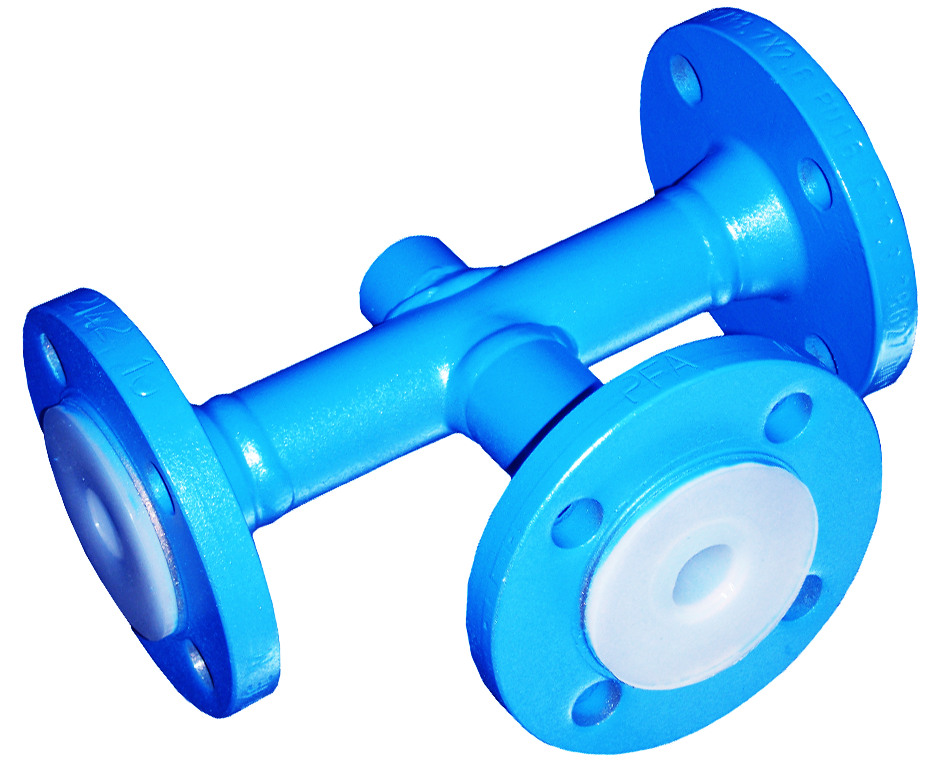
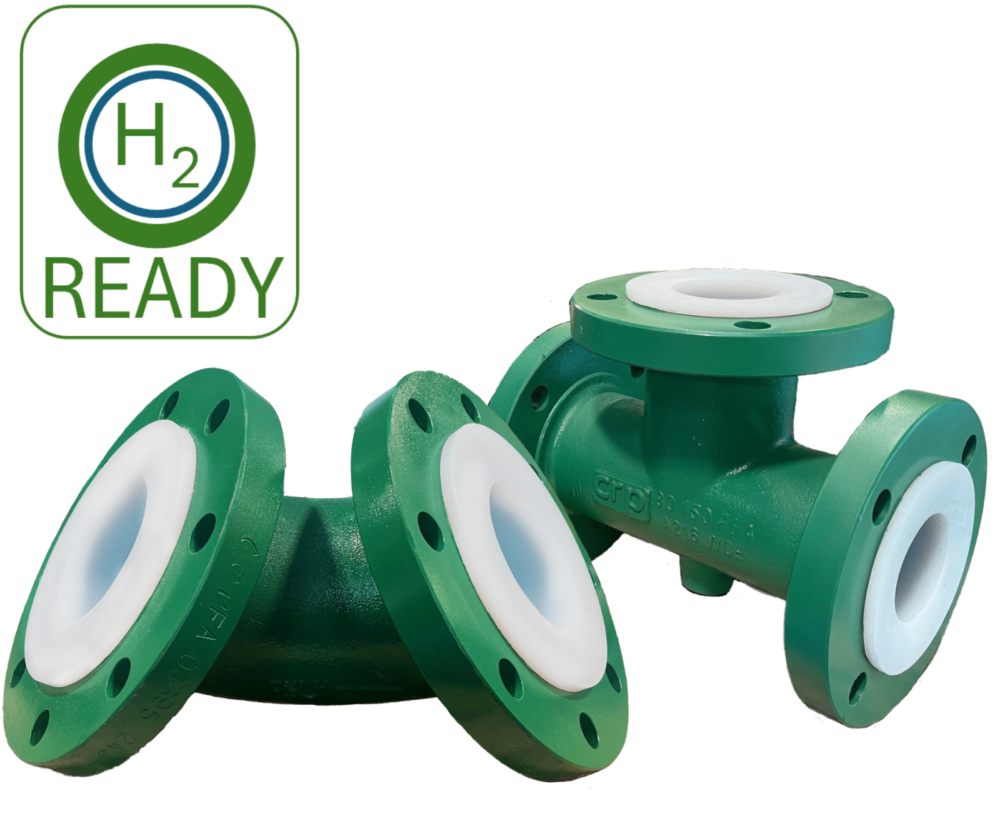
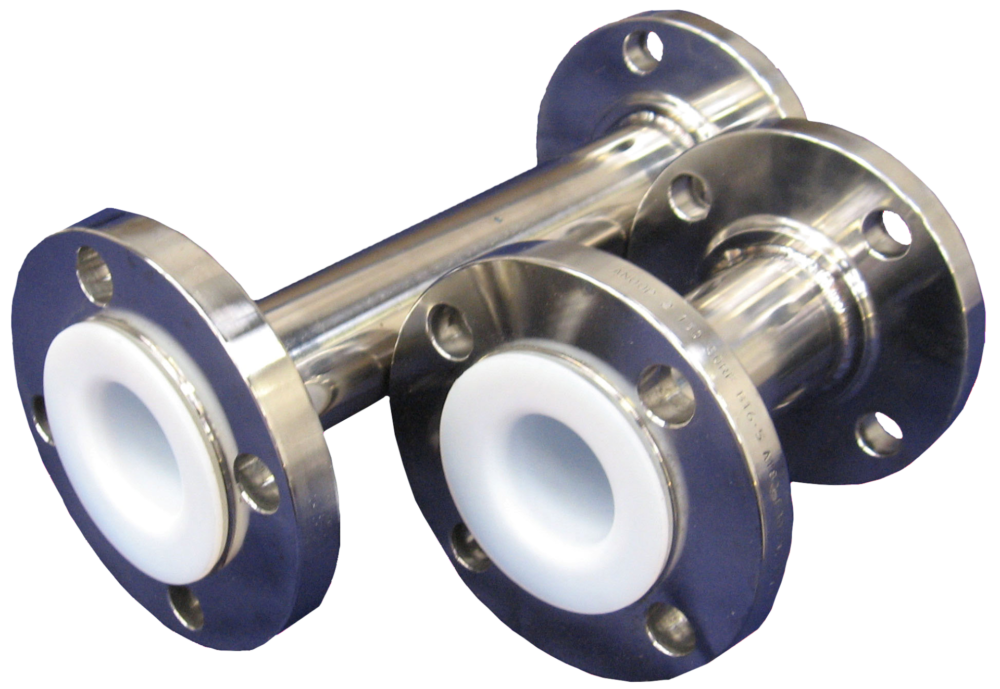
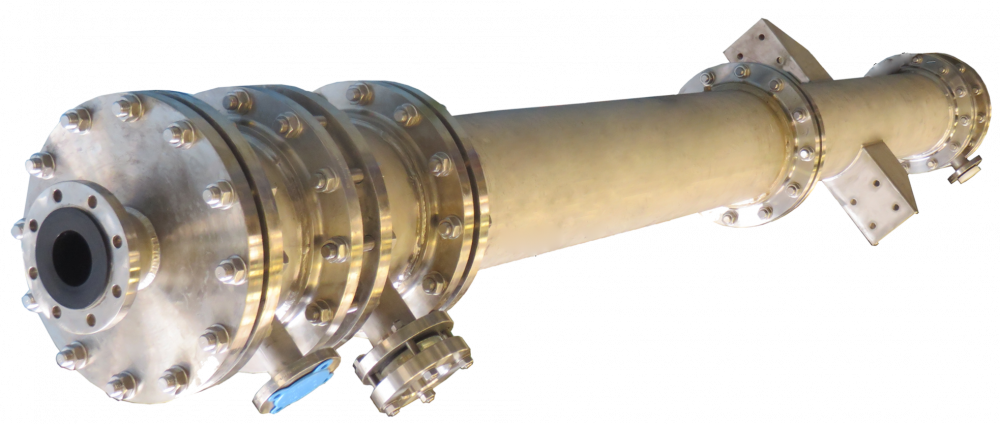
For many applications, paste extruded PTFE and PFA lined pipework offers a practical, reliable alternative. CRP manufactures fluoropolymer lined piping and associated equipment designed to help customers handle aggressive chemicals with confidence independent from temperatures (max 200°C) and chemical concentrations. By combining a robust metal structure with a chemically resistant paste extruded PTFE or PFA, lined systems provide the strength, integrity and corrosion resistance needed for some of the most challenging industrial processes.
The Challenge with Exotic Alloys
Materials such as high-nickel alloys, titanium, zirconium, tantalum and other specialist metals can be essential in some severe service environments. However, they are not always the most practical answer. Procurement lead times may be long, raw material costs can be very high and fabrication may require specialist welding expertise. While PTFE and PFA lines are quickly available.
Exotic alloys also need careful selection. A material that performs well in one chemical environment may not be suitable in another, particularly where different temperature, chemical concentrations, impurities, oxidising conditions, chlorides or mixed acids are present. In some cases, the material may still face localised corrosion mechanisms or may require costly design measures to achieve the desired service life.
How Lined Pipework Changes the Materials Question
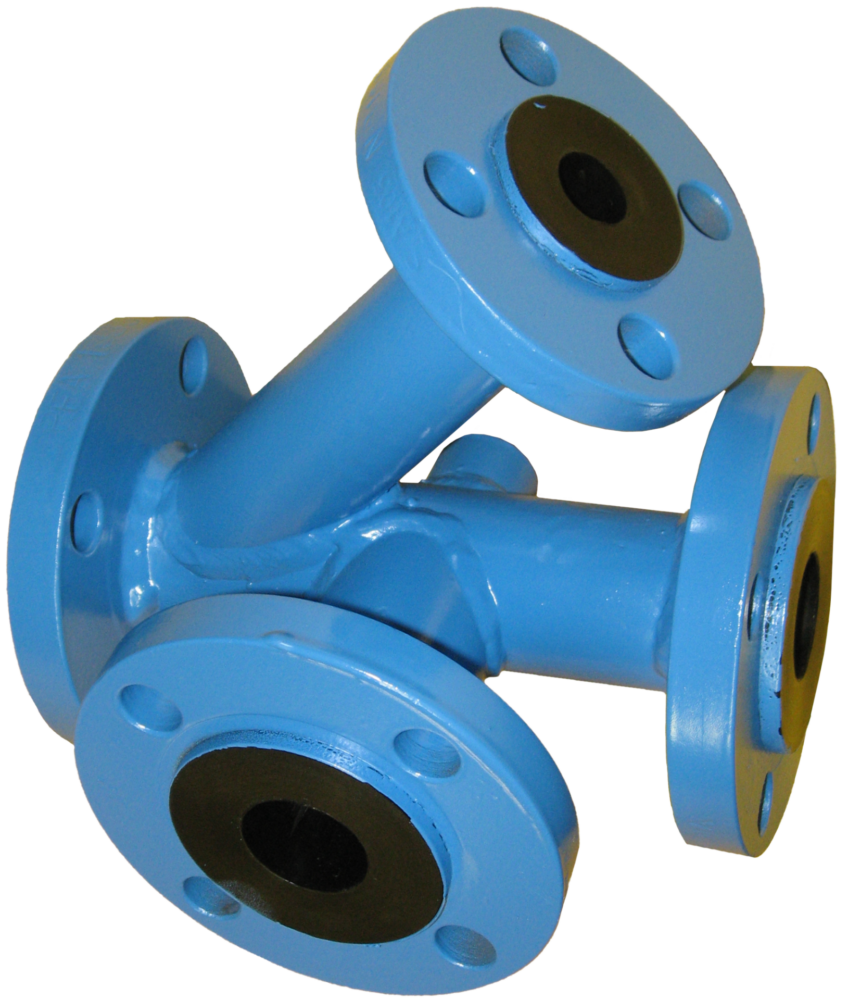
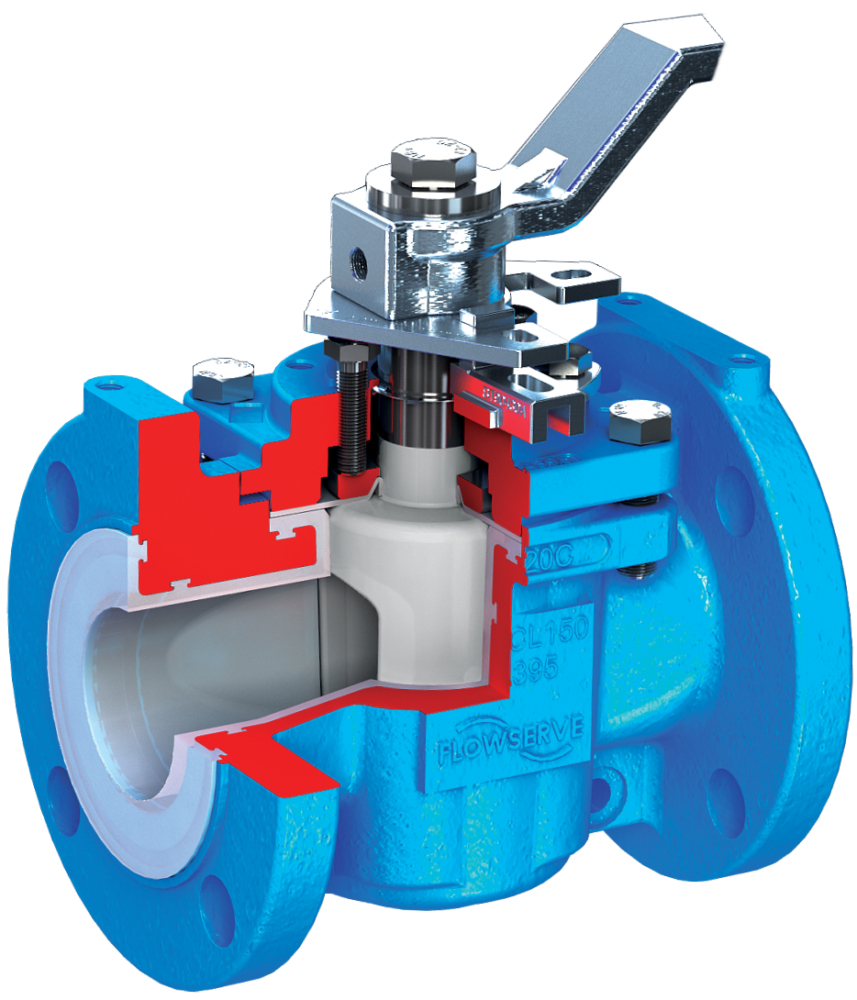
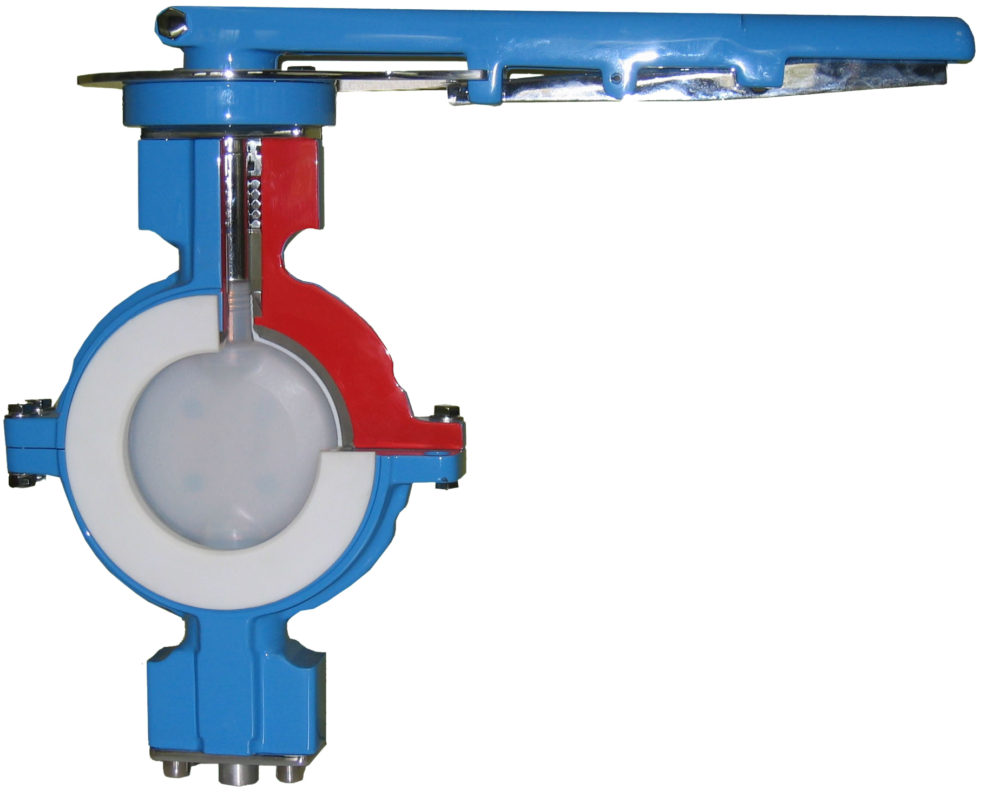
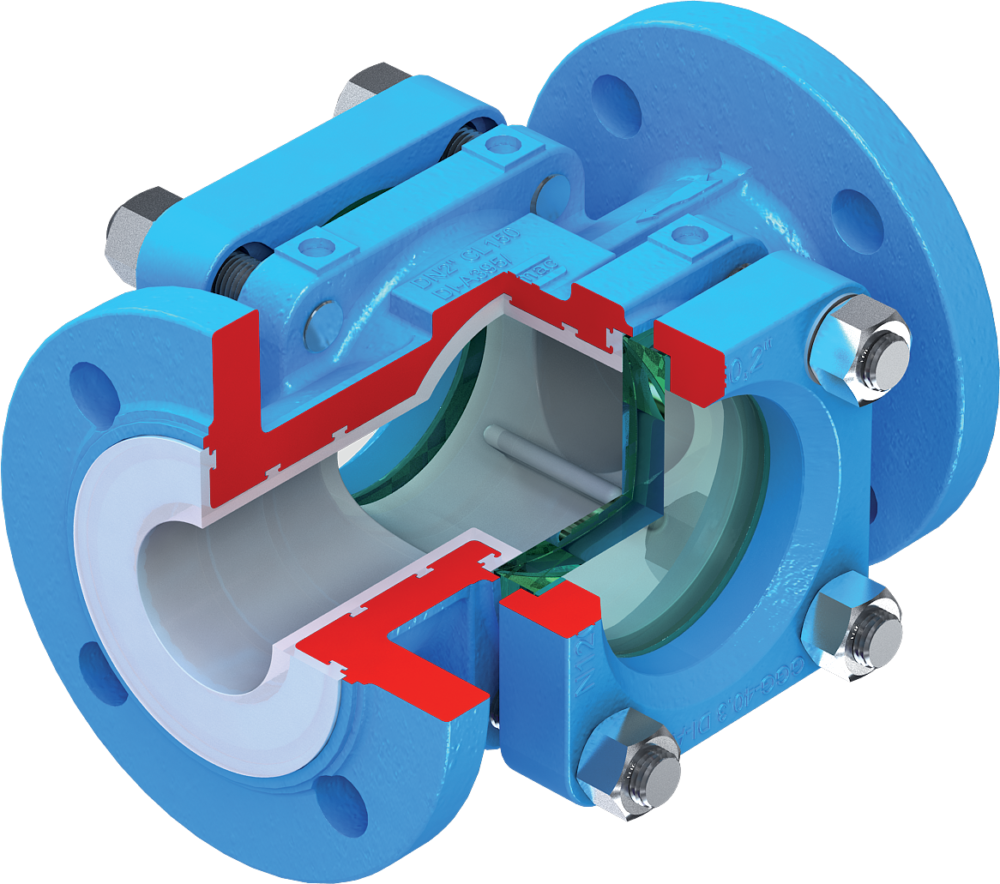
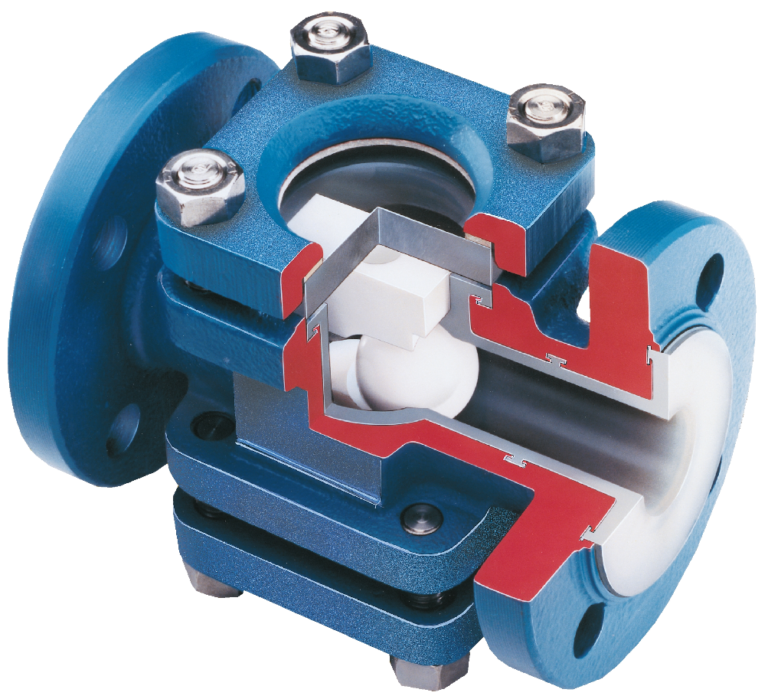
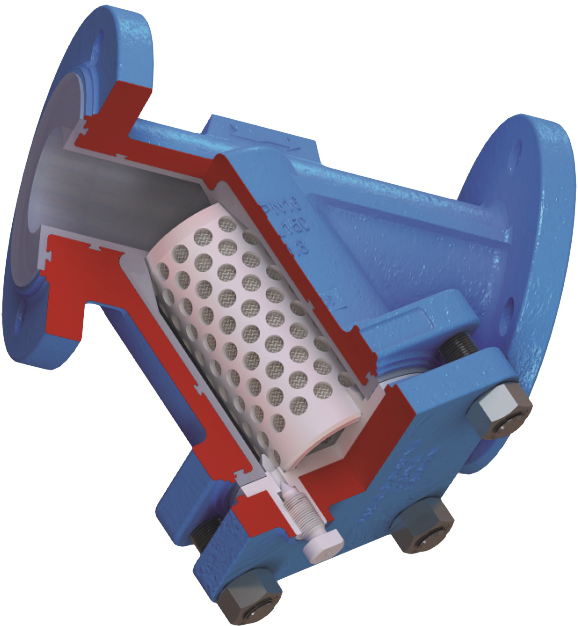
Lined pipework separates the corrosion-resistance function from the mechanical strength function. The outer steel body provides pressure containment, rigidity and structural support. The internal paste extruded PTFE or PFA lining provides the universal chemical resistance* barrier. This design can reduce the need for the entire pressure boundary to be manufactured from an expensive alloy, while still protecting the wetted surface from aggressive process media.
For users, this can provide performance, practicality and lifecycle value. Instead of specifying a costly alloy for the whole component, the process fluid is presented with a fluoropolymer surface that is highly resistant to practically all chemicals. The metal body and paint can then be selected for mechanical performance and external environmental suitability.
Lifecycle Cost and Availability
Initial purchase price is only one part of the cost equation. Engineers and procurement teams must also consider lead time, installation, maintenance, spares, downtime risk, replacement cost and the operational consequences of failure. In many applications, lined pipework can offer a lower total cost of ownership because it provides corrosion resistance to nearly all chemicals with lifetimes up to 20 years and more.
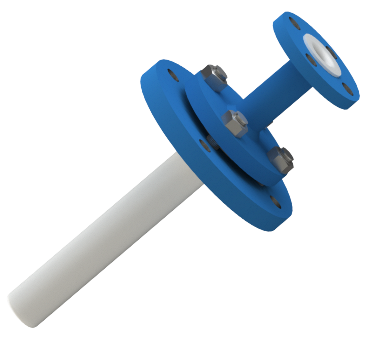
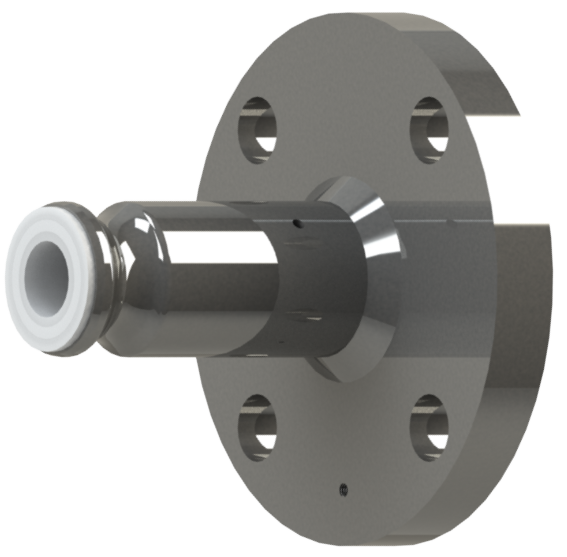
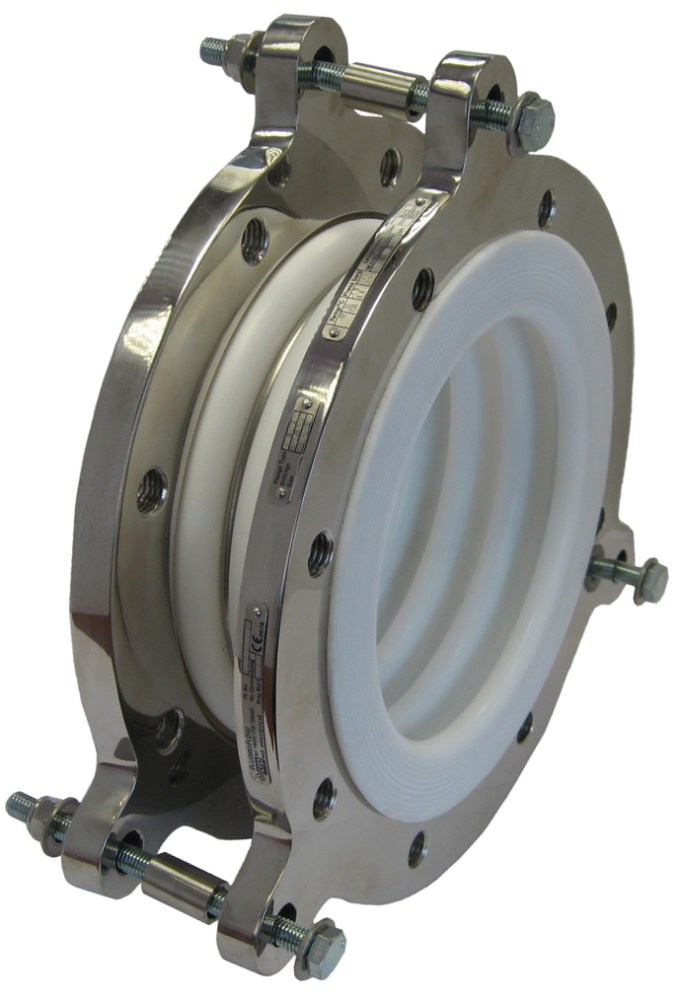
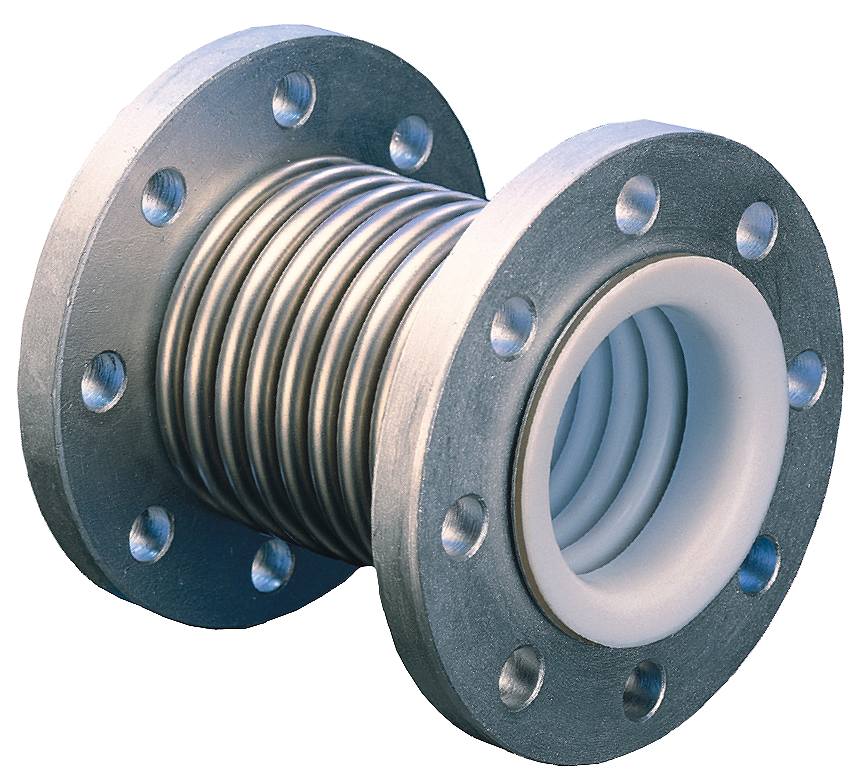
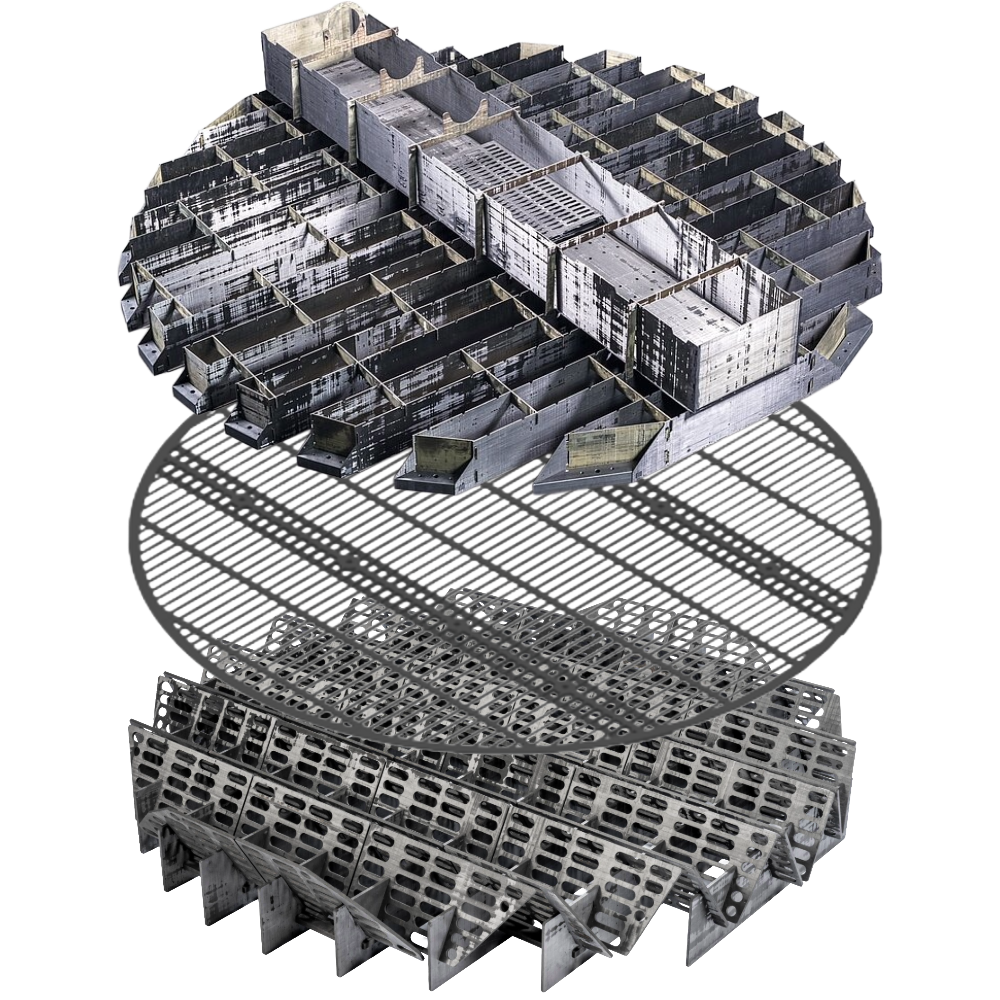
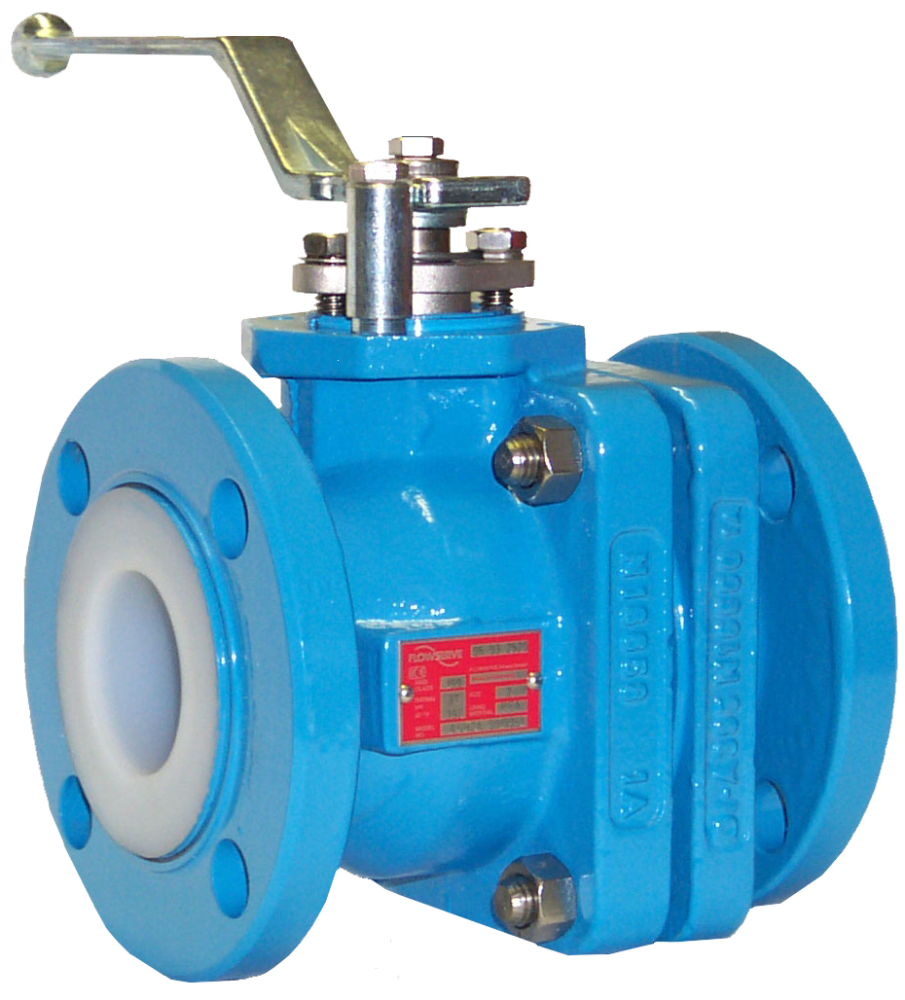
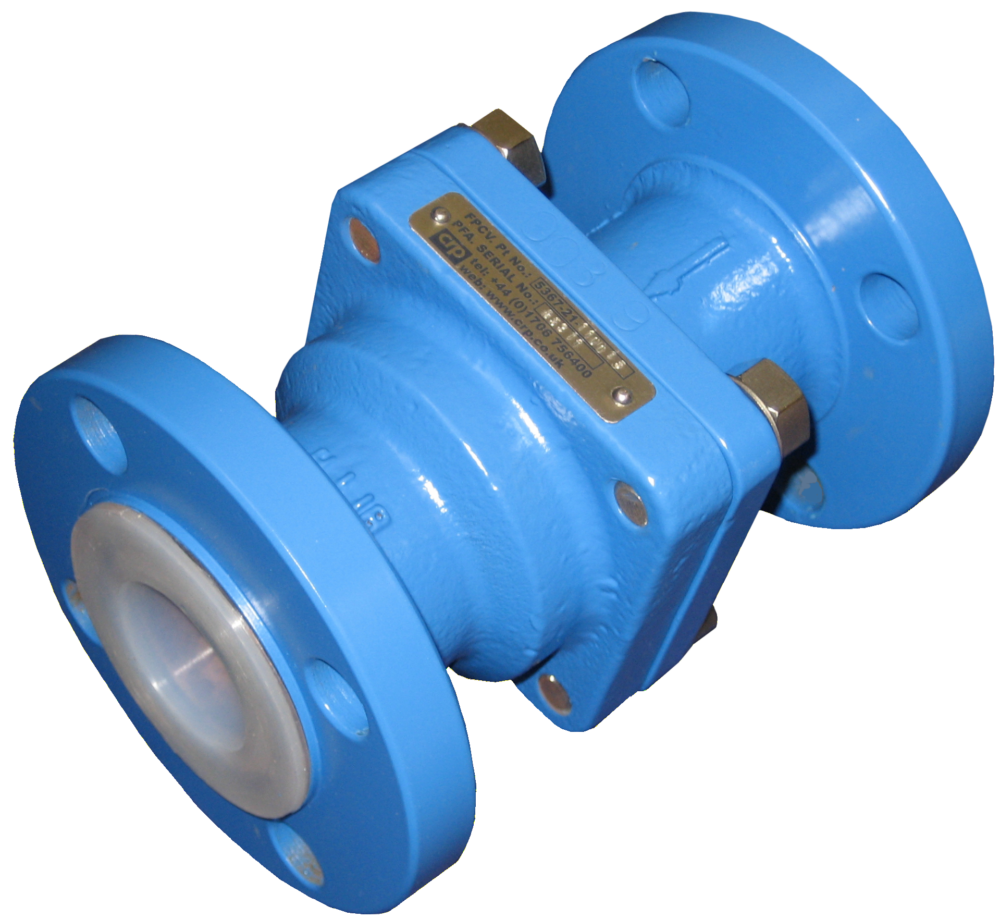
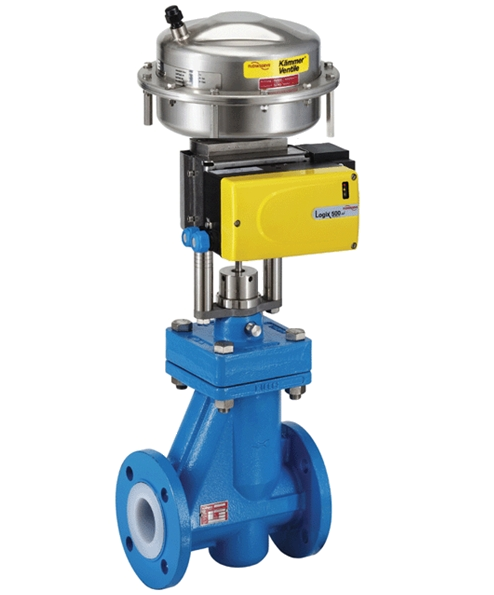
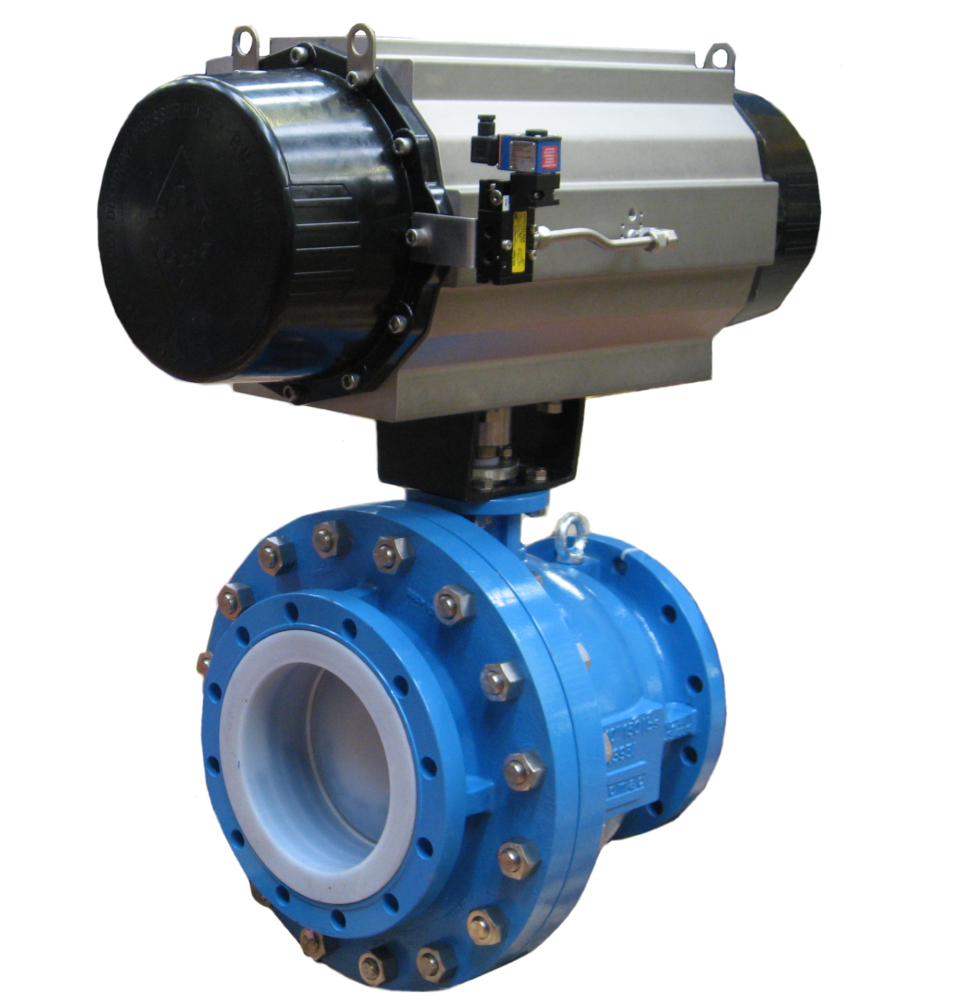
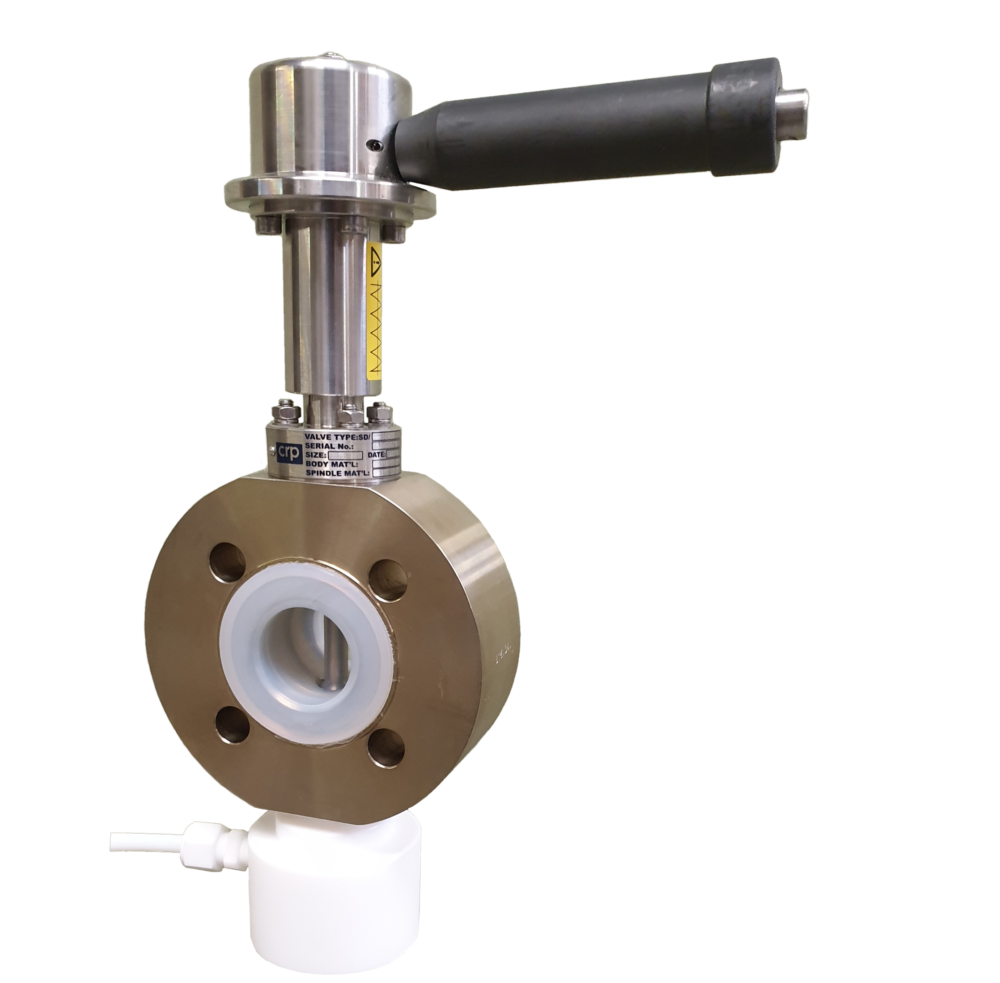
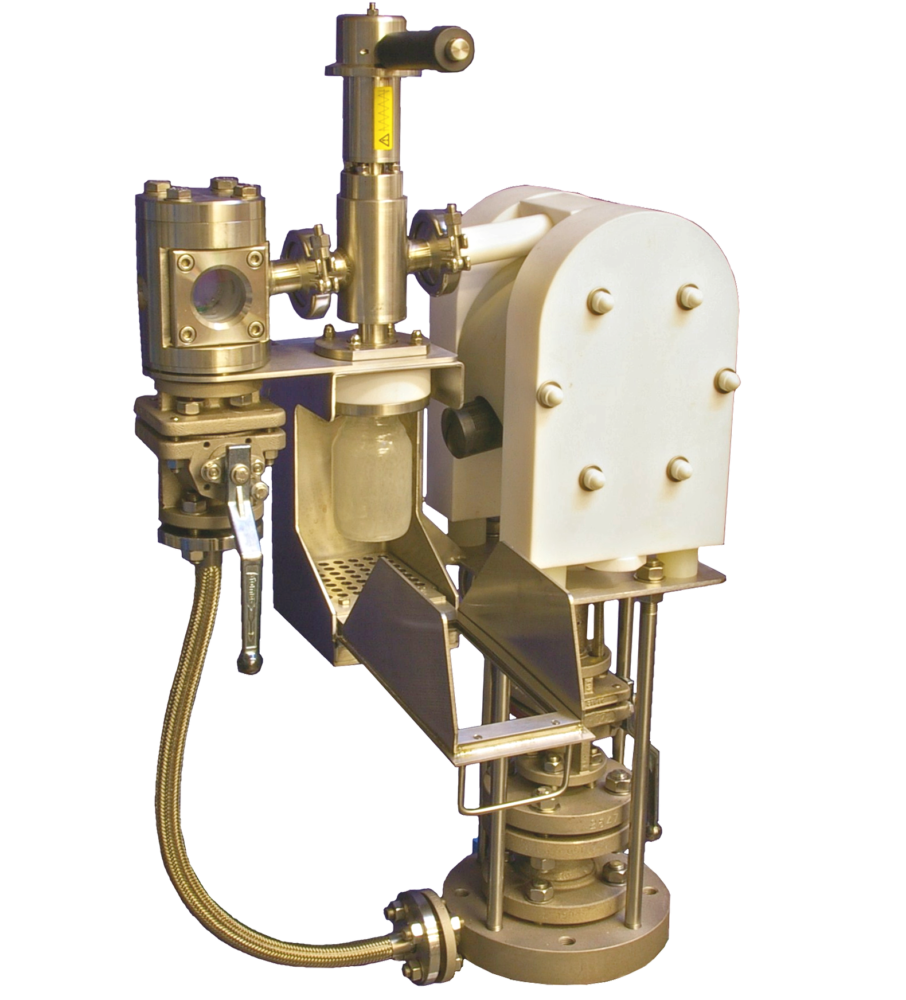
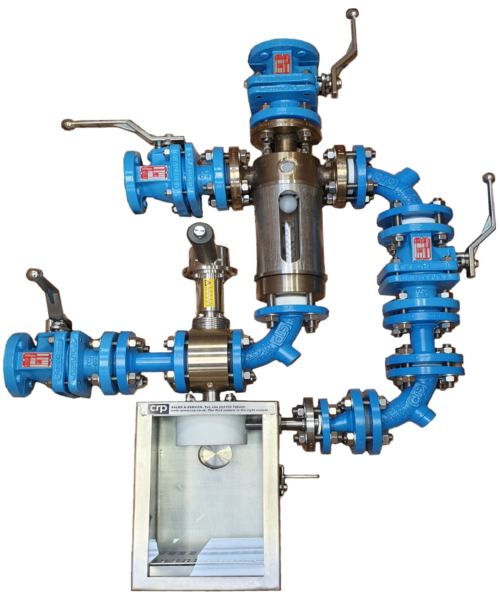
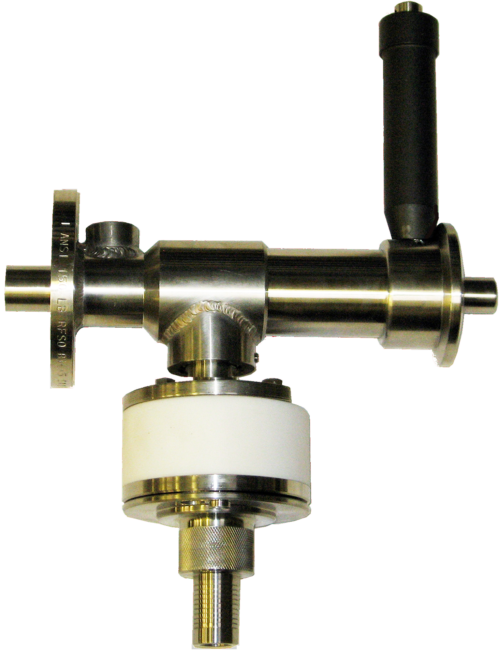
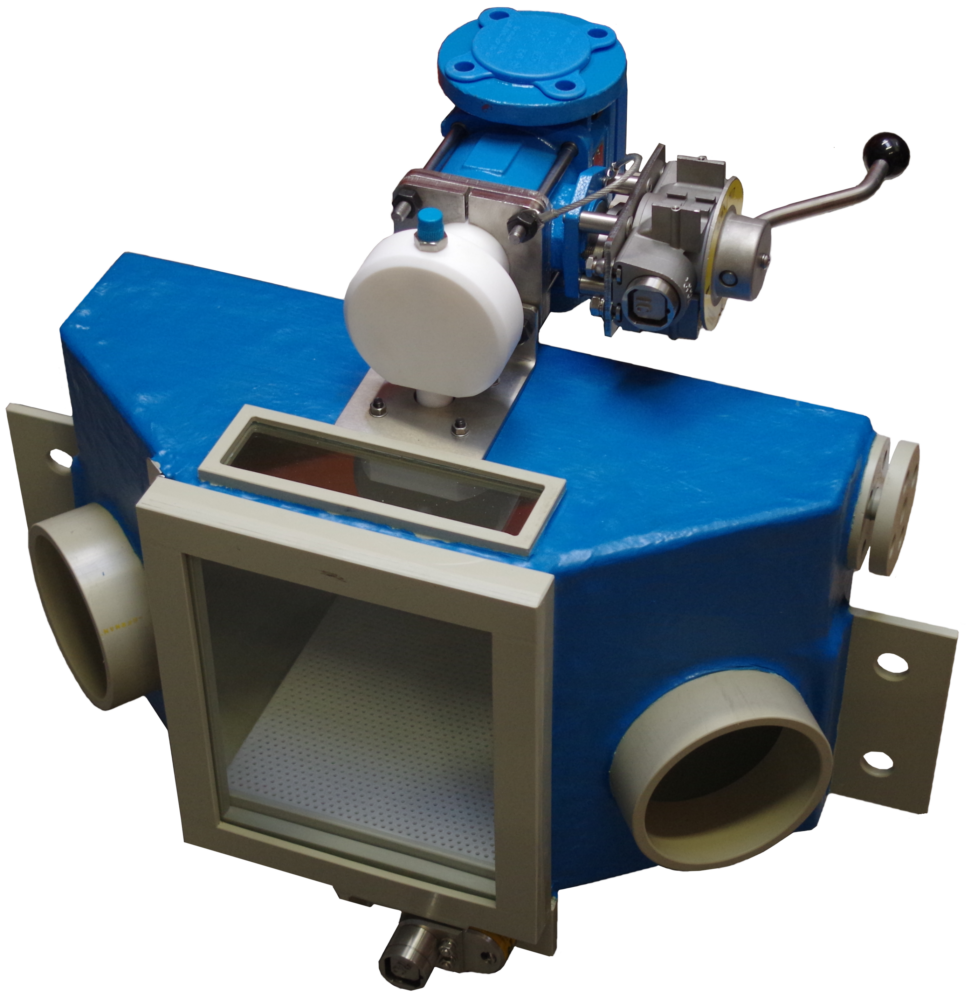
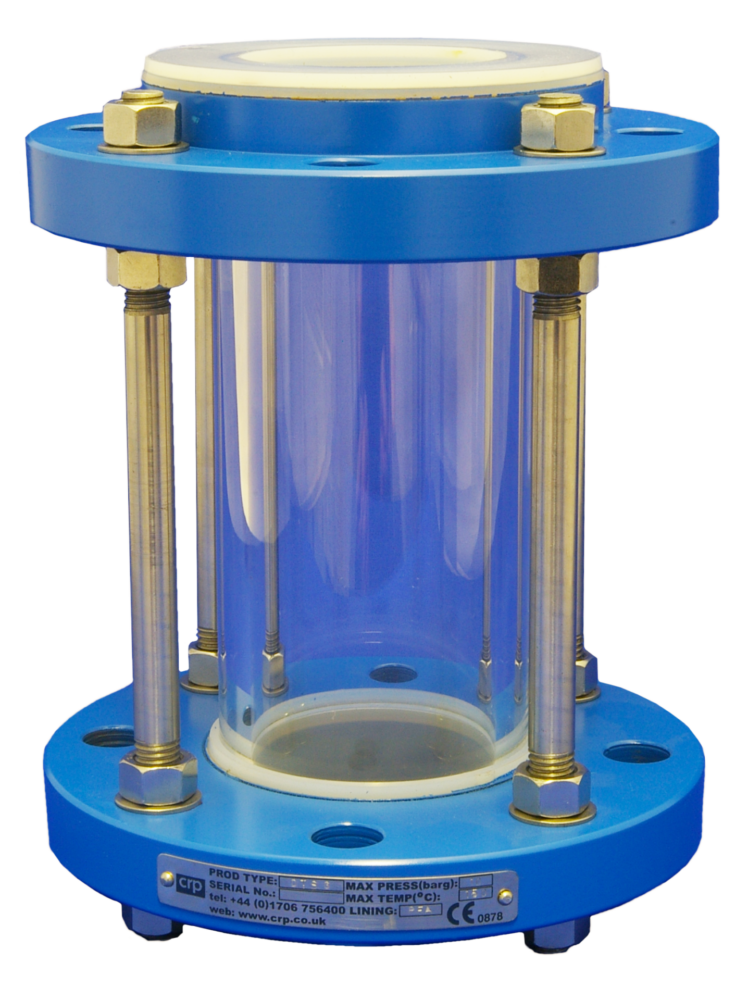
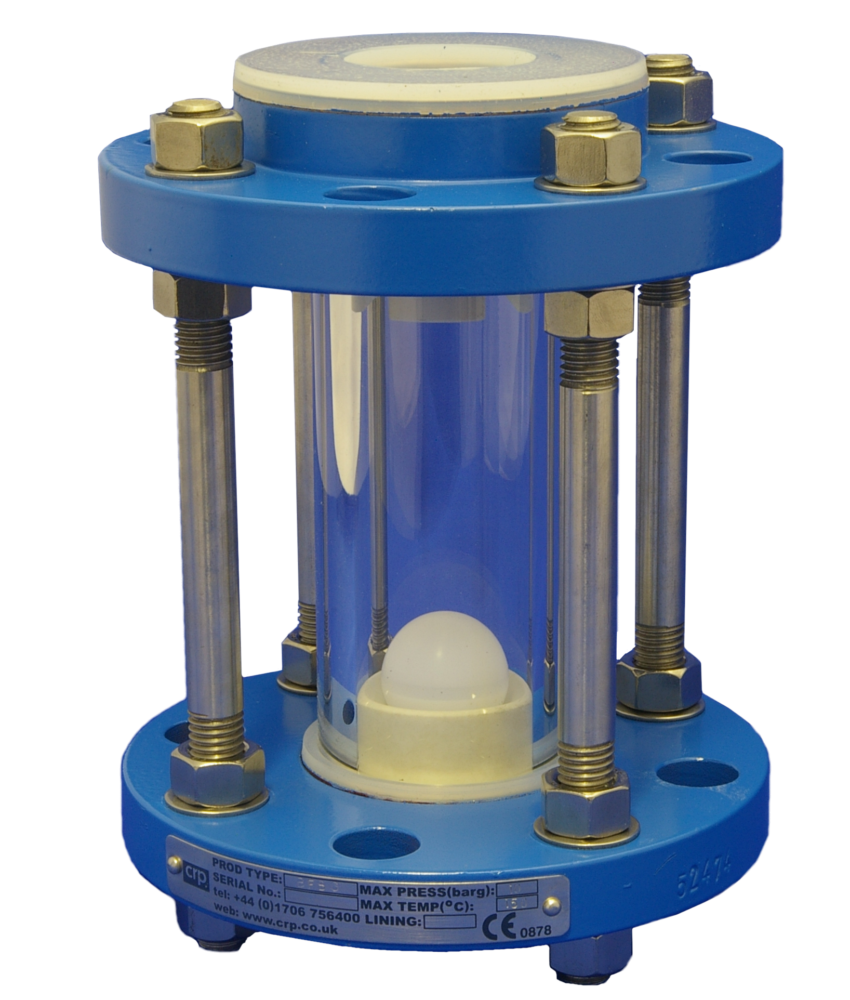
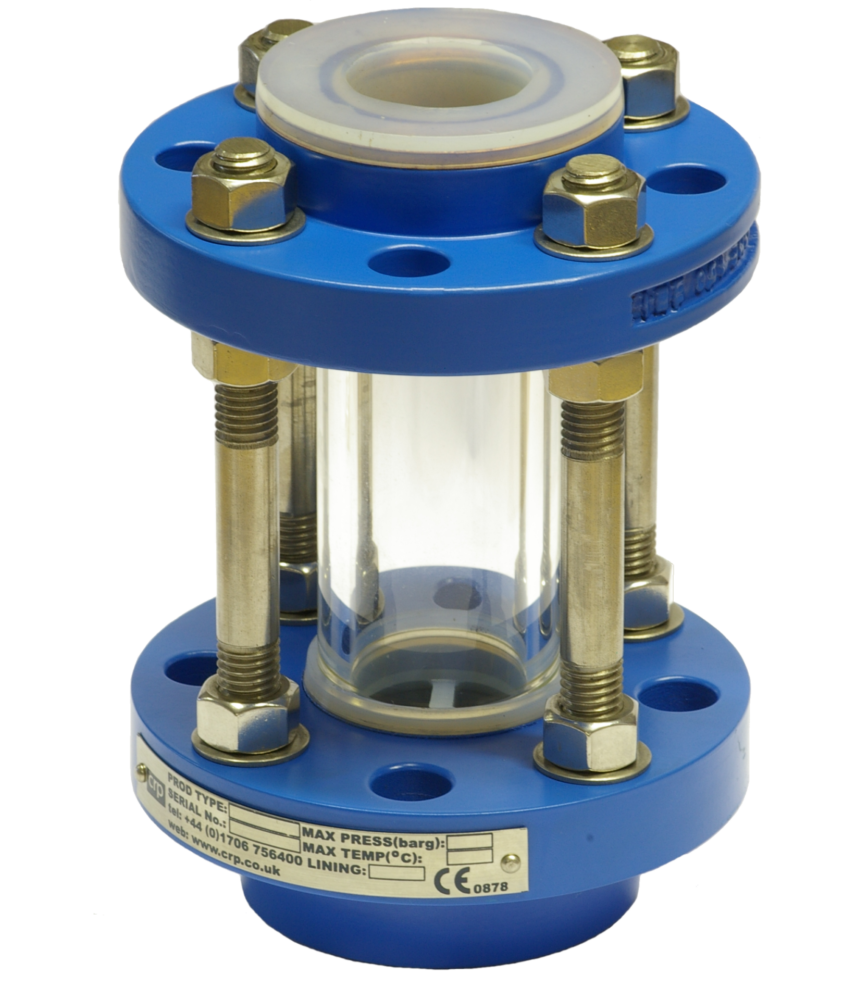
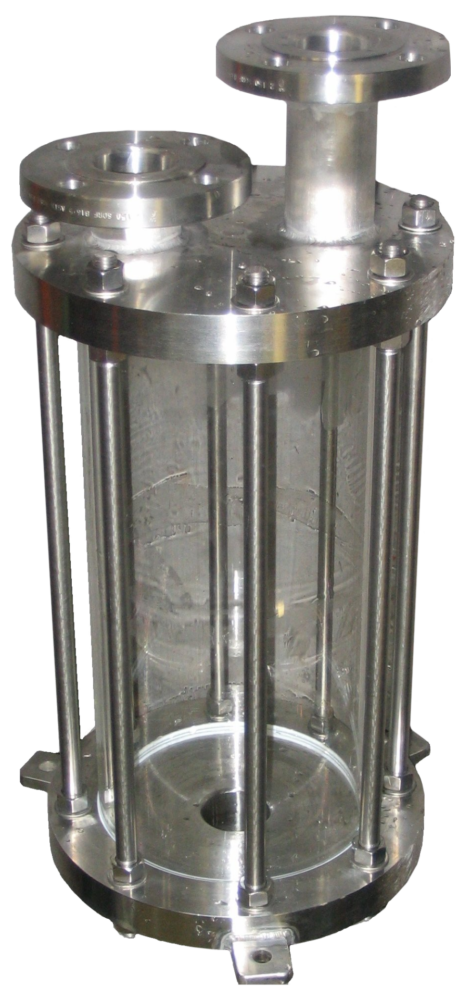
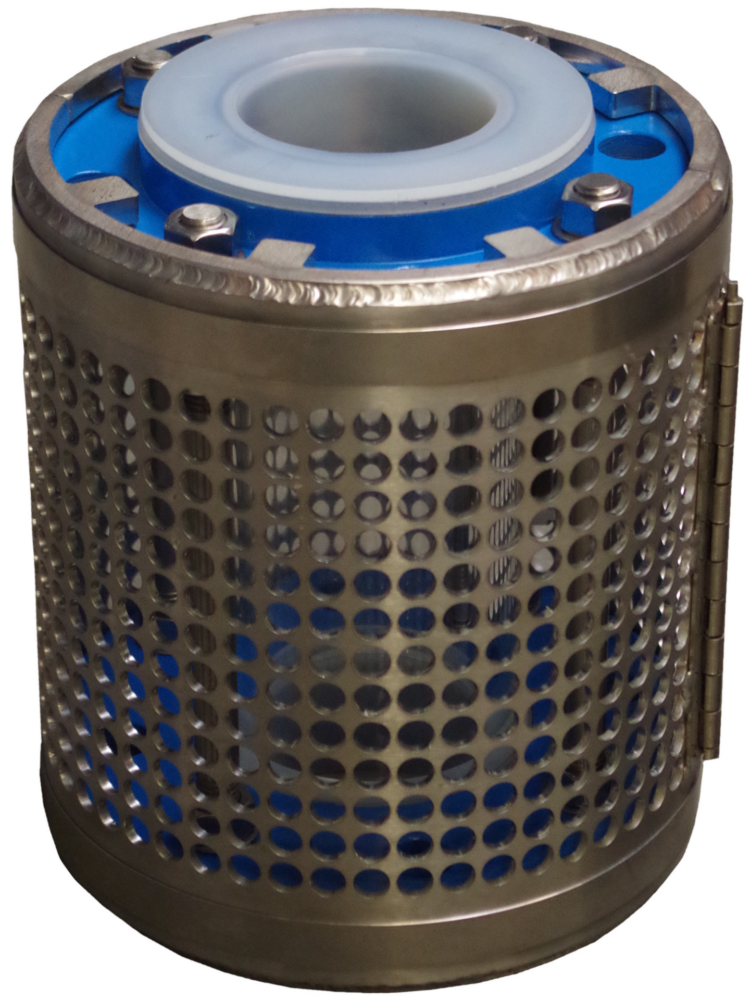
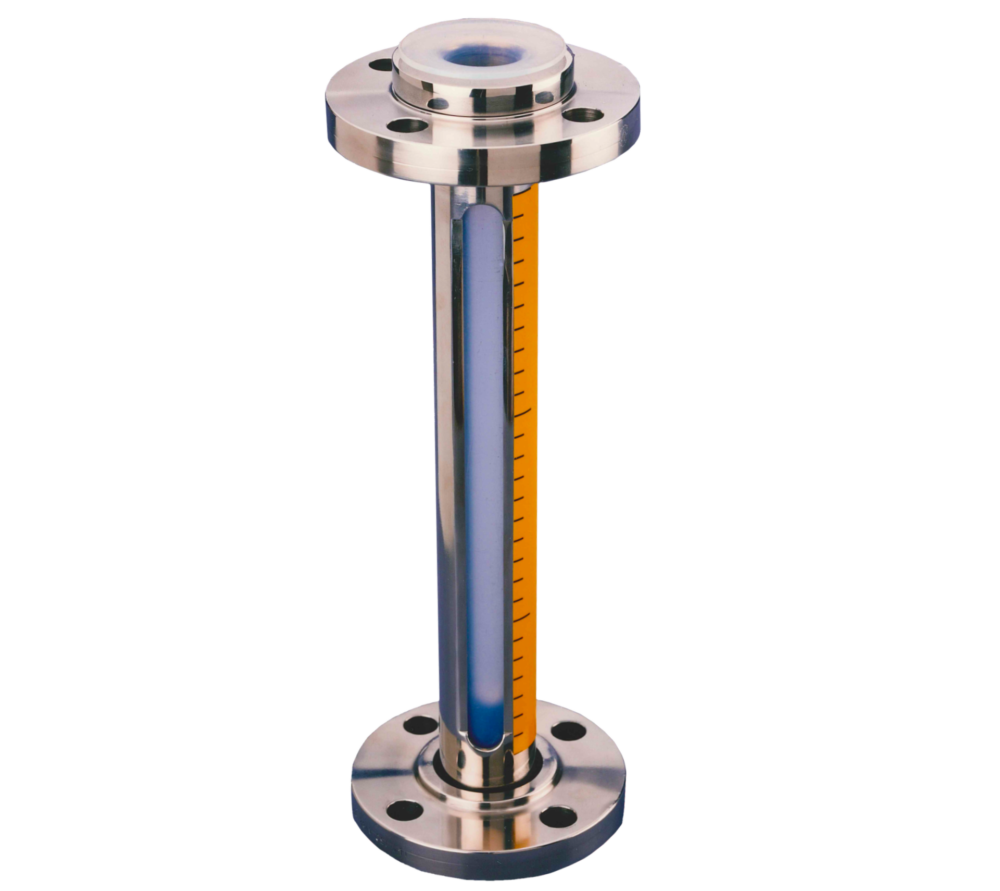
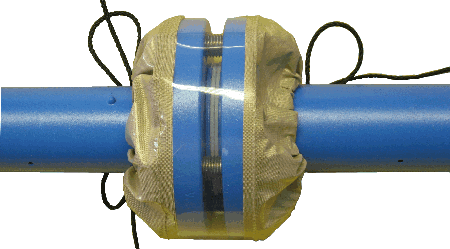
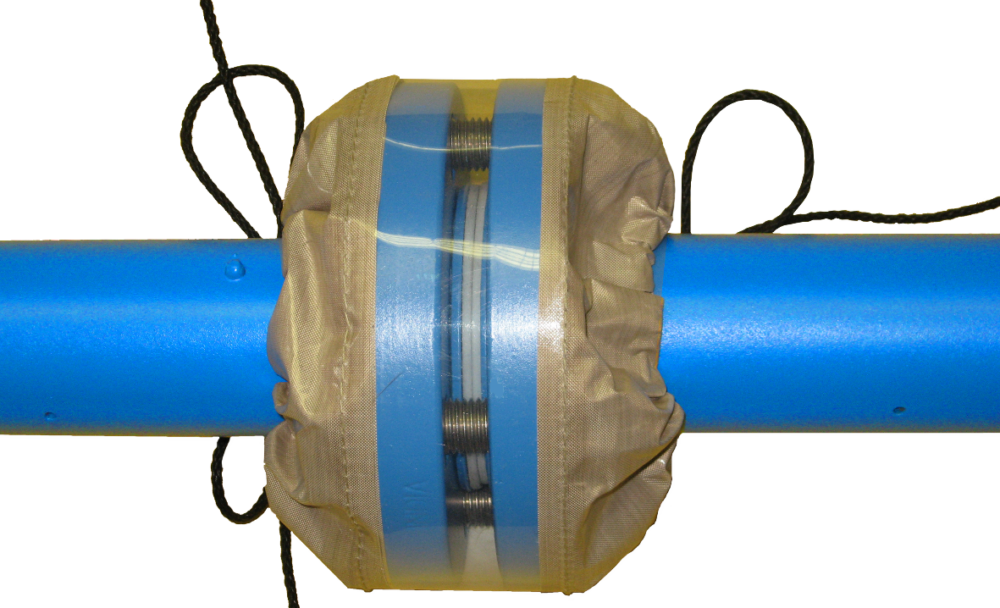
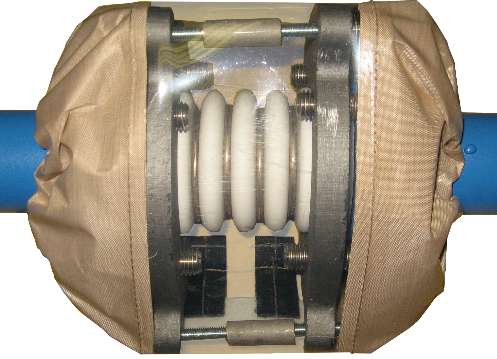
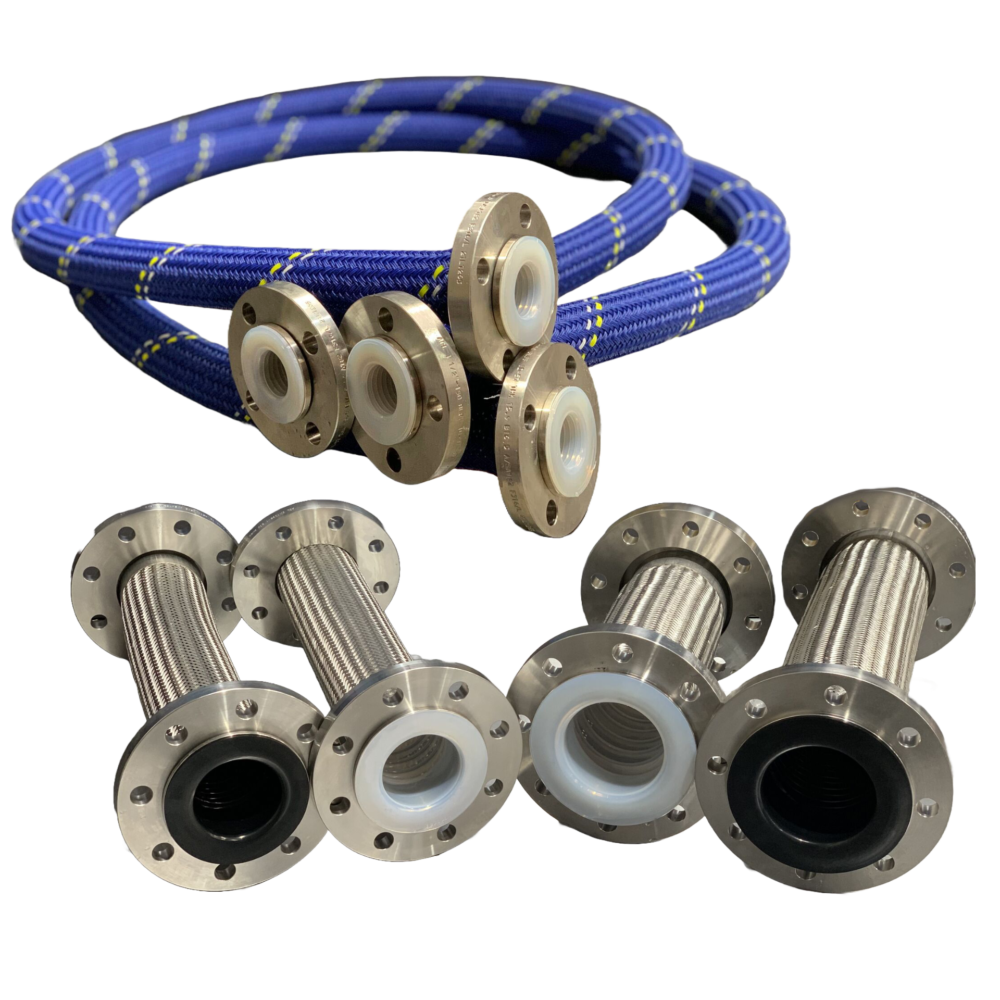
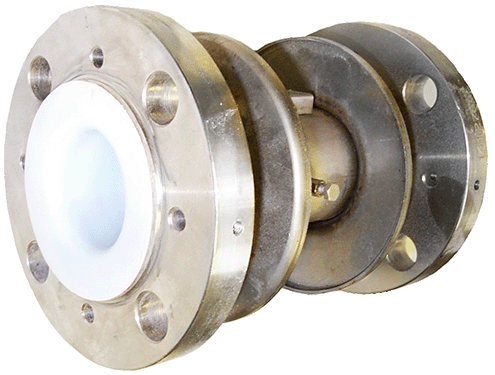
CRP acts as a one-stop shop for corrosion-resistant lined piping systems, supplying not only pipe spools and fittings but also valves, bellows, columns, sampling systems, sight glasses and ancillary equipment. By bringing these components together as part of a complete lined system, CRP helps customers simplify specification, procurement and project coordination.
Performance in Corrosive and High-Purity Applications
Paste extruded PTFE and PFA are used in lined pipework because of their exceptional chemical resistance and suitability for aggressive process environments. They are commonly associated with duties involving acids, solvents, high-purity chemicals and hazardous media where corrosion is an issue.
PFA can be particularly useful for complex moulded components and fittings, while paste extruded PTFE is widely used for lined pipe spools and other process-contact surfaces. The choice between lining materials depends on the exact duty, including chemical service, temperature, pressure, permeability considerations, geometry and cleaning requirements. This makes technical specification essential.
Why CRP Is Well Placed to Support Material Selection
CRP specialises in corrosion-resistant lined equipment for industries handling demanding chemicals at elevated temperatures. Its product range is built around paste extruded PTFE and PFA lined pipework and associated equipment, supporting sectors such as chemical processing, pharmaceuticals, petrochemicals, food and beverage, metals refining and other process industries where material performance is critical.
CRPs expertise mean our sales representatives and Engineers can support you through selecting paste extruded PTFE and PFA as an alternative. That includes chemical compatibility, permeation, temperature, pressure, static dissipation, dimensional standards, installation practice and long-term maintenance needs.
Key Takeaways
- Exotic alloys can be effective but bring high cost, long lead times, specialist fabrication requirements and don’t offer universal chemical resistance.
- Lined pipework separates mechanical strength from corrosion resistance, using metal for structure and the practically universal corrosion resistant* paste extruded PTFE or PFA for the wetted surface.
- CRP’s lined systems can provide a practical, corrosion-resistant solution for aggressive chemical service at all temperatures (up to 200°C) and all chemical concentrations.
- Correct specification is essential because every application has its own chemical, thermal, pressure and mechanical demands.
Conclusion
For most corrosive process applications, lined pipework offers a practical and commercially attractive alternative to exotic alloys. By combining a robust metal structure with paste extruded PTFE or PFA chemical resistance, CRP’s lined systems help operators achieve corrosion resistance (for nearly all chemicals), without the cost.
*molten, alkali metals, gaseous fluorine, a few fluorochemicals, such as chlorine trifluoride, oxygen difluoride.