
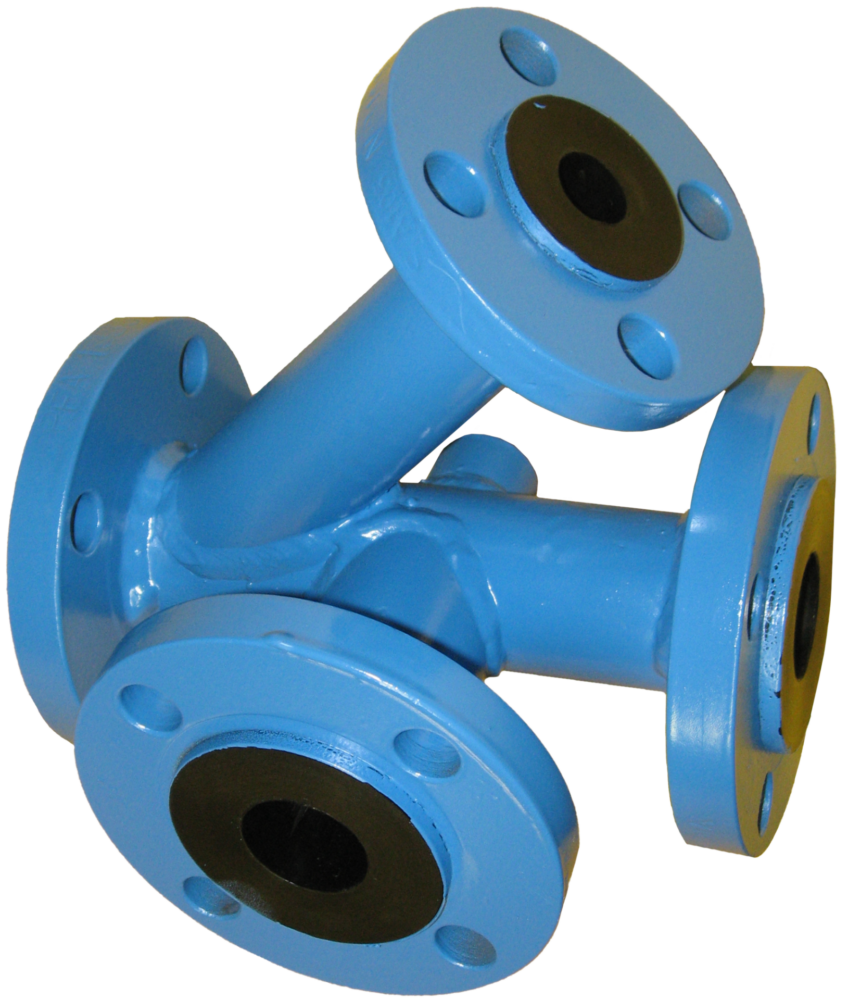
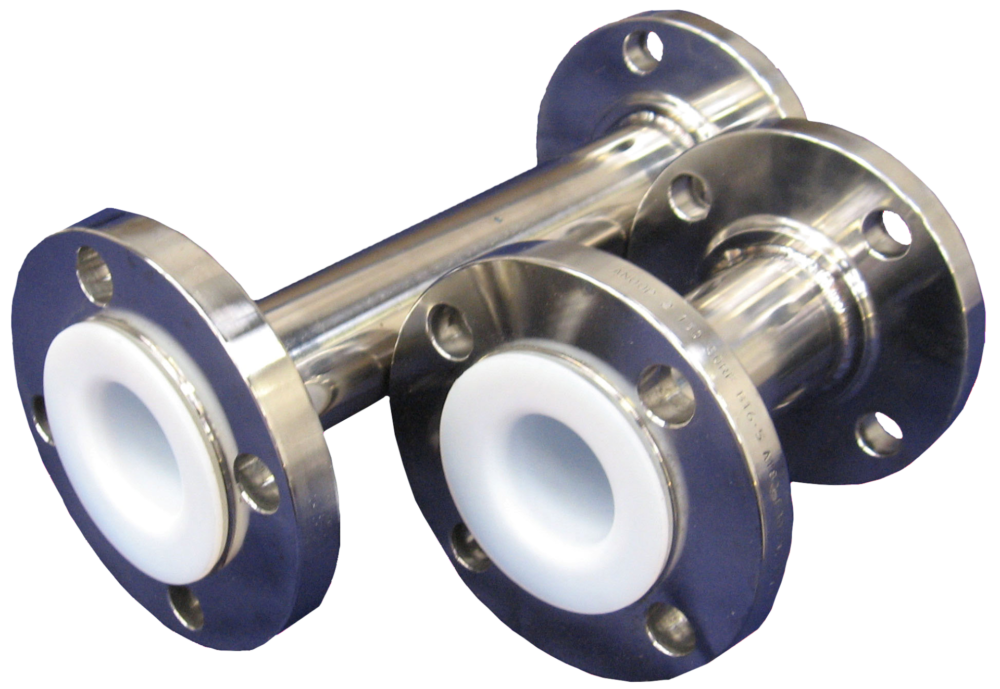





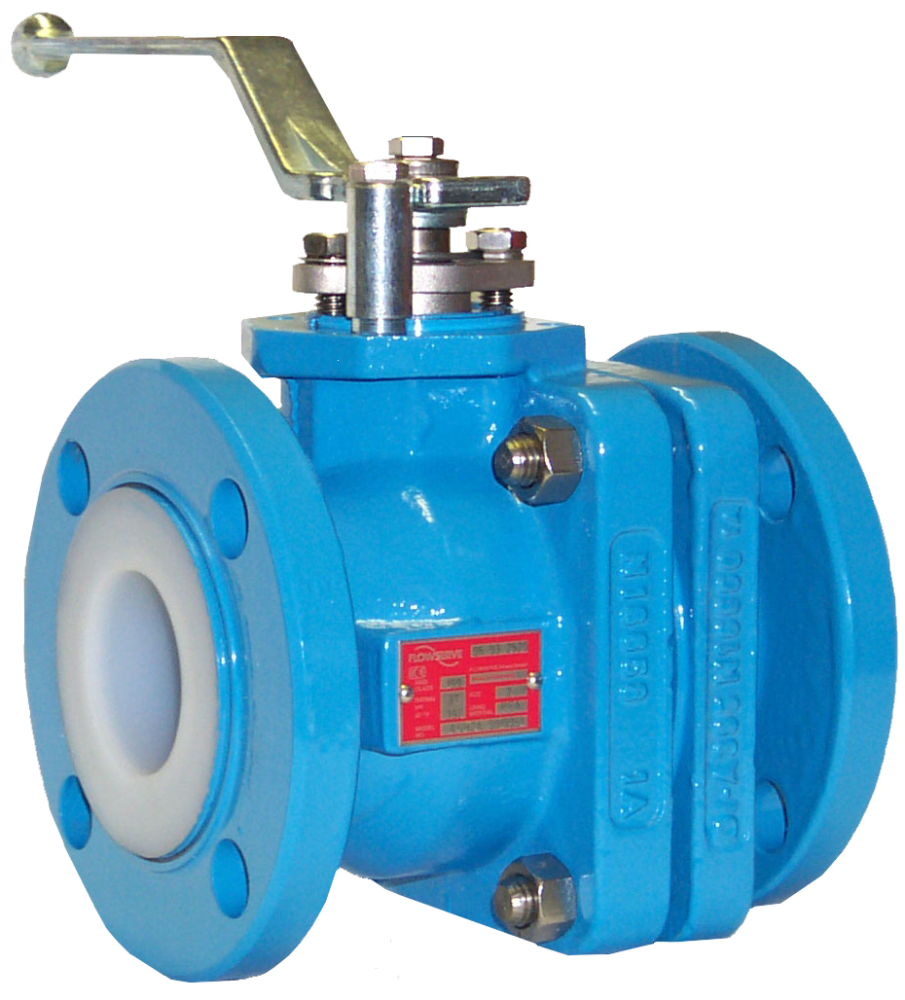



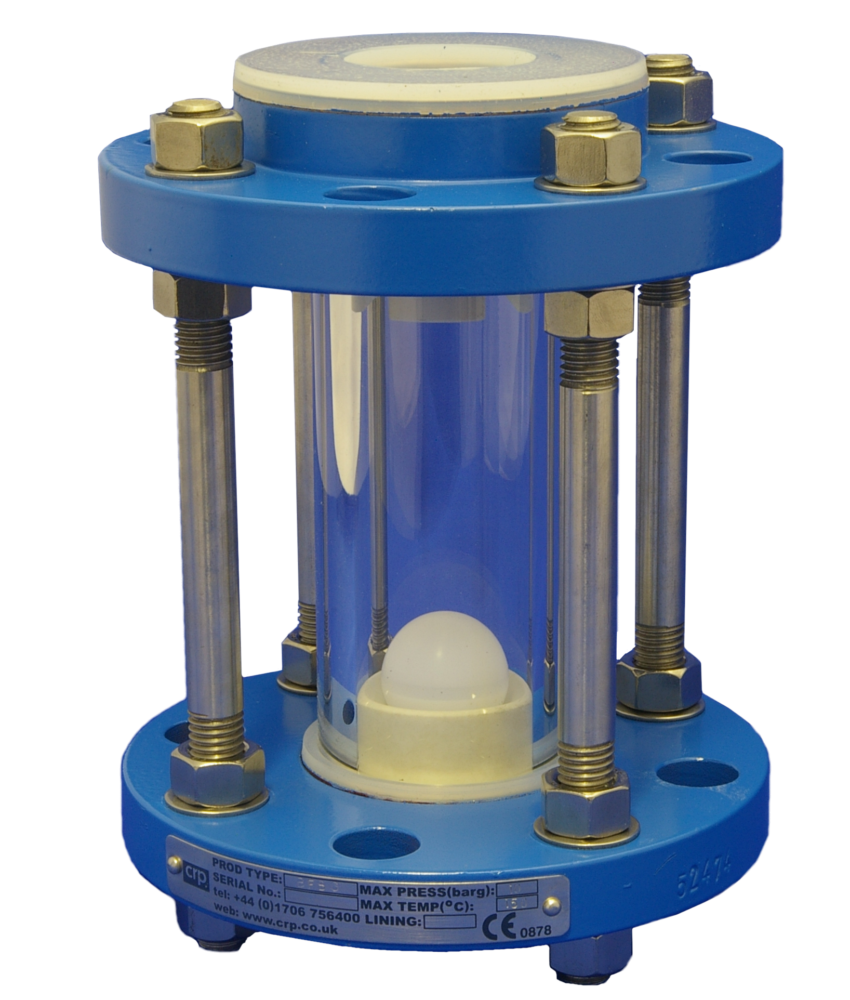
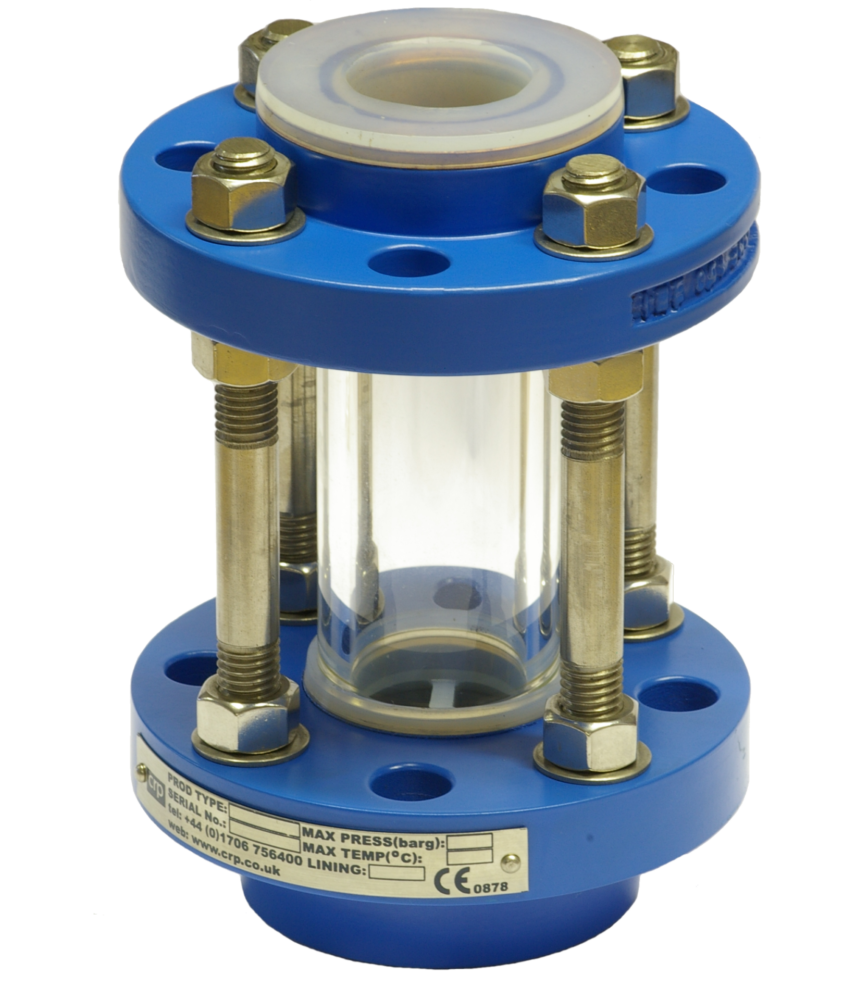
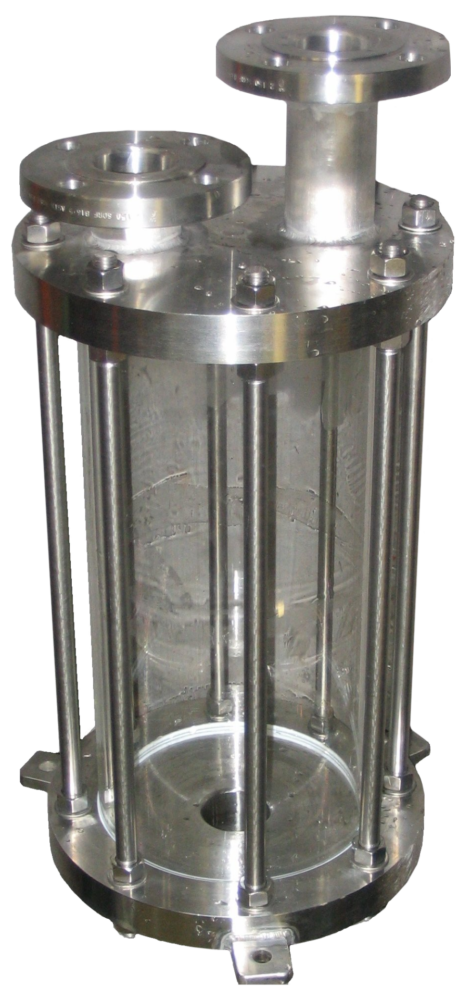
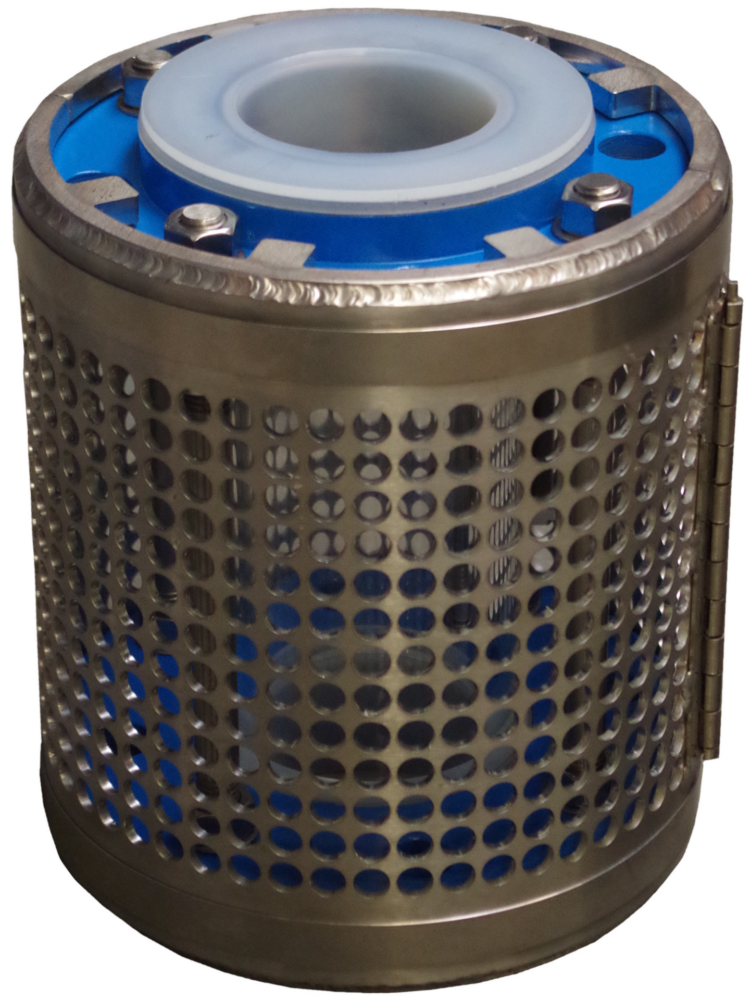
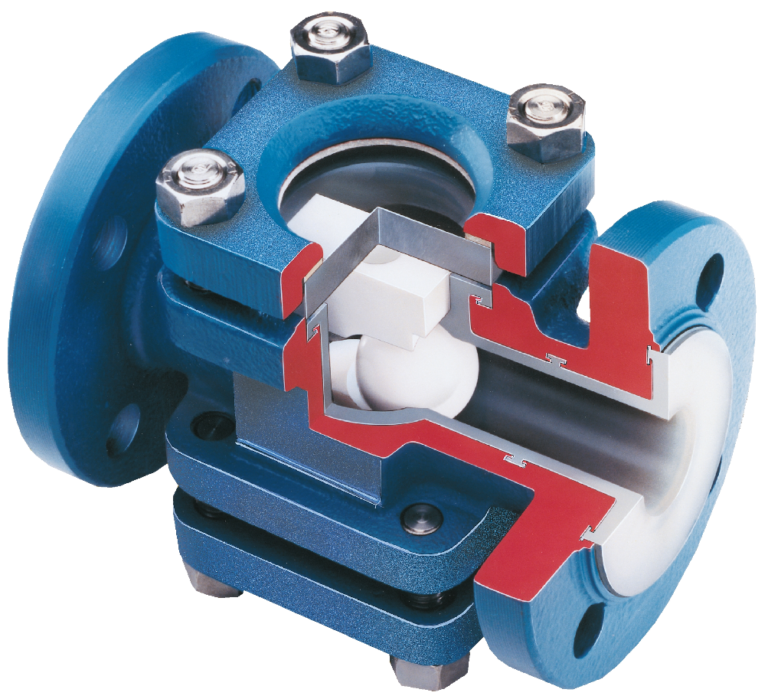
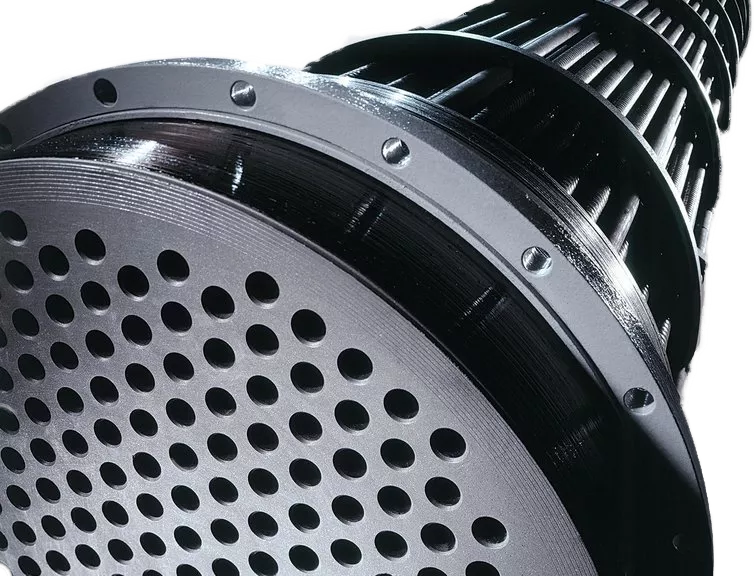
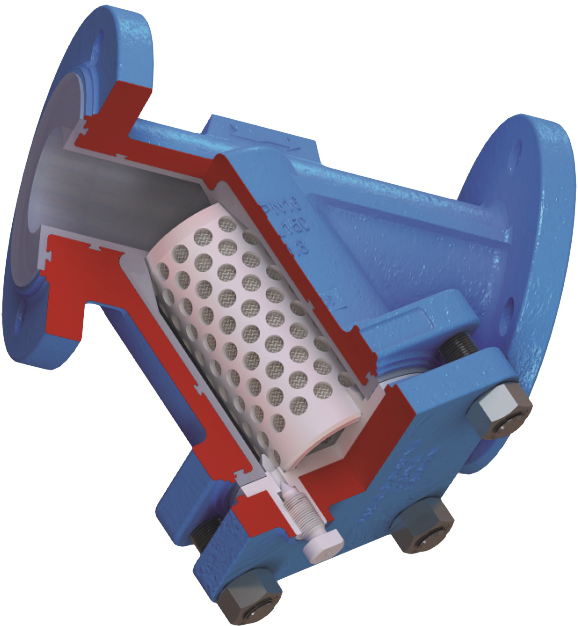






Polytetrafluoroethylene (PTFE) and perfluoroalkoxy (PFA) linings are widely used in corrosive and high-purity process environments due to their exceptional chemical resistance and durability. However, despite their huge performance advantages, failures still occur, nearly never because of the material itself, but due to design or operational issues.
As the corrosion experts, CRP UK Ltd has decades of experience in fluoropolymer-lined equipment and have identified the most common causes of failure and how to avoid them.
1. Wrong selection of the PTFE grade and Process Variability
Cause:
Isostatic moulded PTFE can lead to dimensional inaccuracies, non uniform wall thicknesses and non-homogeneous PTFE material which leads to high permeation, internal stress peaks, and weak points due to multiple process variables.
Prevention:
- Use manufacturers such as CRP who use high-quality processes (e.g. PFA transfer moulding and PTFE paste extrusion)
- Specify reputable manufacturers such as CRP with proven QA systems and full ASTM F1545 compatibility.
- Specify uniform lining thickness and homogeneous lining material.
2. Poor Surface Finish
Cause:
Rough or uneven internal surfaces common on isostatically PTFE moulding processes can prevent proper and easy cleaning along with, contamination buildup.
Prevention:
- Prefer materials that deliver uniform internal surfaces such as PFA and PTFE paste extrusion.
3. Corrosion on Steel Shell & Liner Damage
Cause:
As other plastics, fluoropolymers allow some level of permeation. Isostatically moulded PTFE provide higher permeation rates than PFA or paste extruded PTFE, leading to corrosion behind the lining and blistering (popcorning) in the lining material.
Prevention:
- Select materials and processes with lower permeation (e.g. PFA or paste extruded PTFE, where appropriate)
- Use maximum available wall thicknesses
- Prefer modified paste extruded PTFE for highly permeable services
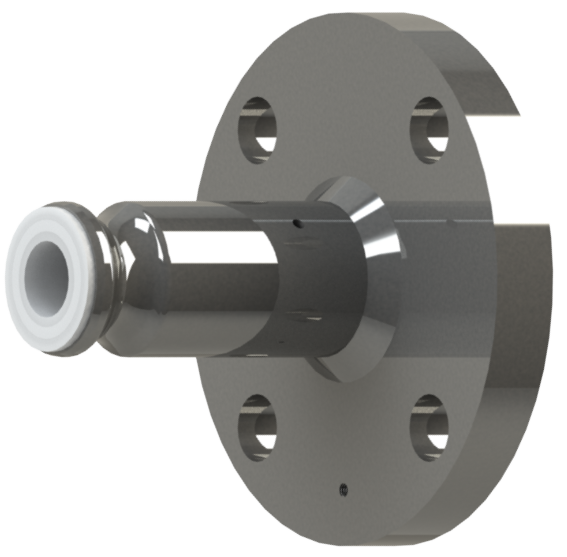
- Ensure proper venting systems are installed
- Consider process conditions (temperature, pressure, chemical type) and rely on manufactures with experience to help with specification.
4. Liner collapses without vacuum / Lack of Proper Venting
Cause:
Gases permeating through the lining can accumulate behind it. Without venting, pressure buildup can cause liner collapse or failure.
Prevention:
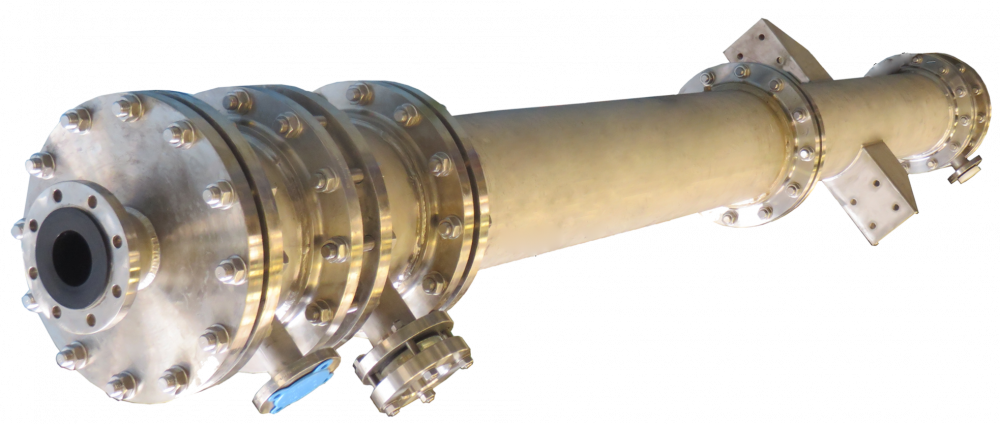
- Always specify a proper venting system for your lined piping systems
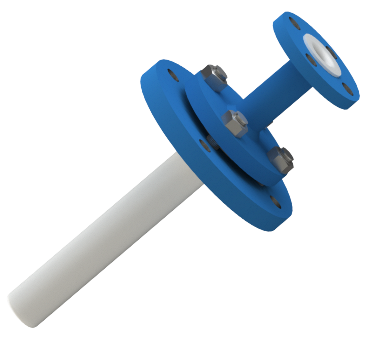
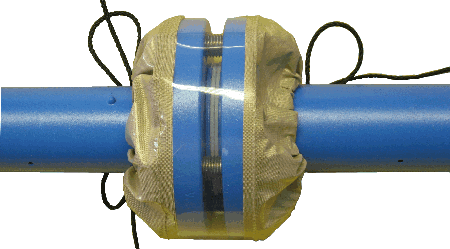
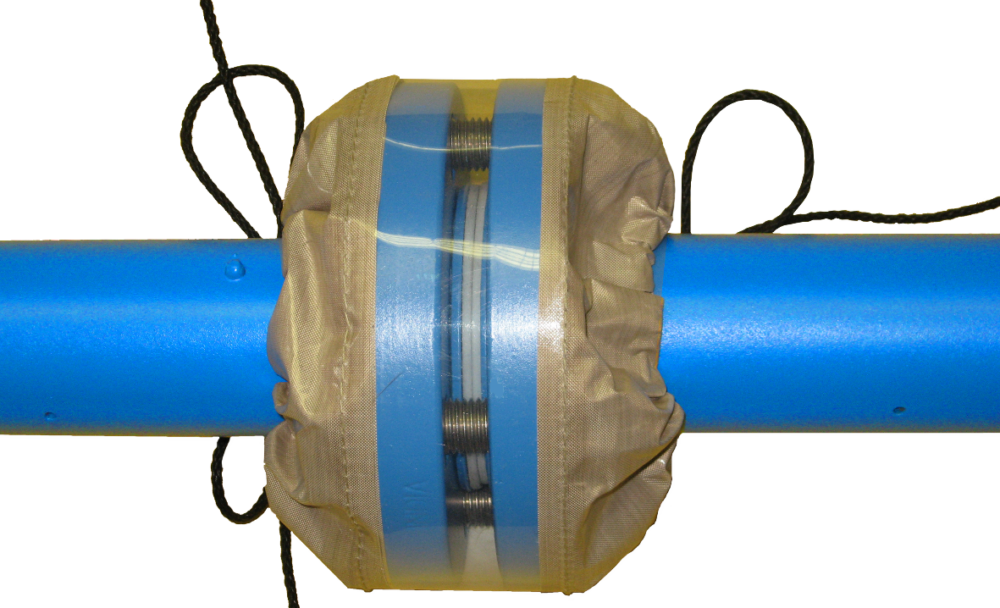
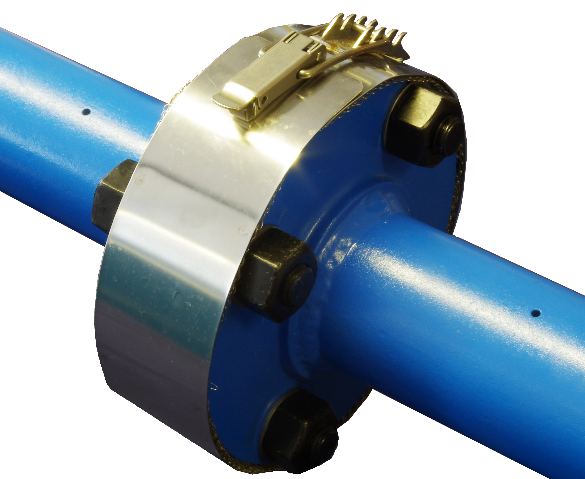
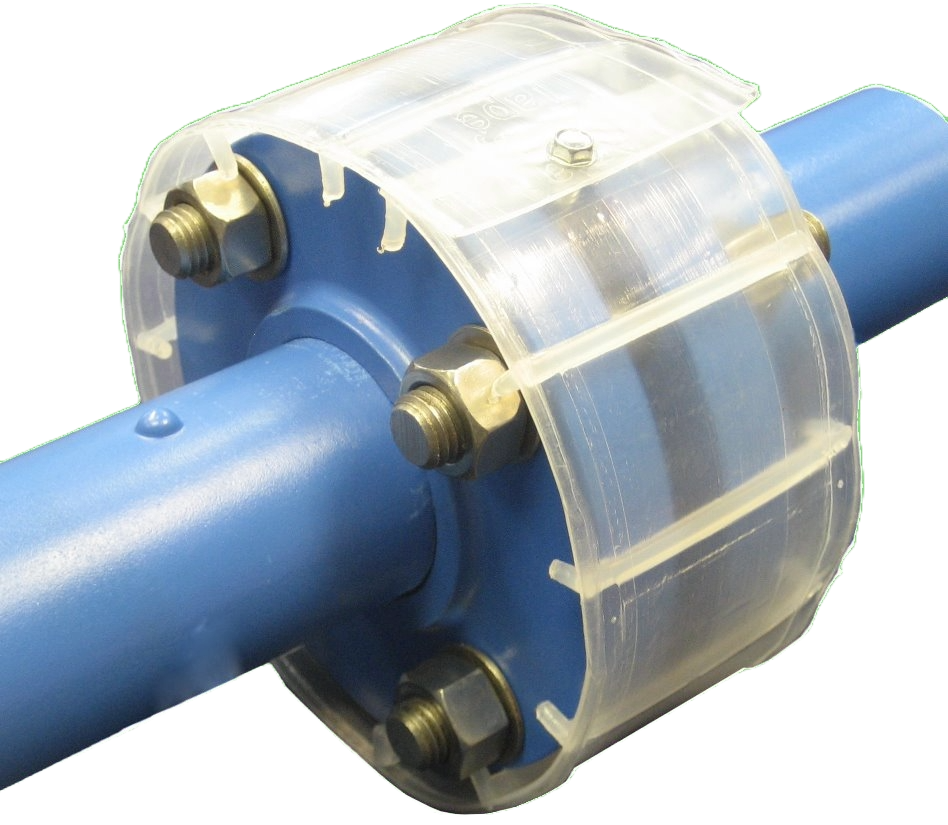
- Ensure vents remain unobstructed (especially after re-painting and in insulated systems), CRP offers vent extensions for insulated piping systems.
- Regularly inspect vent system
- Choose experienced suppliers to aid selection
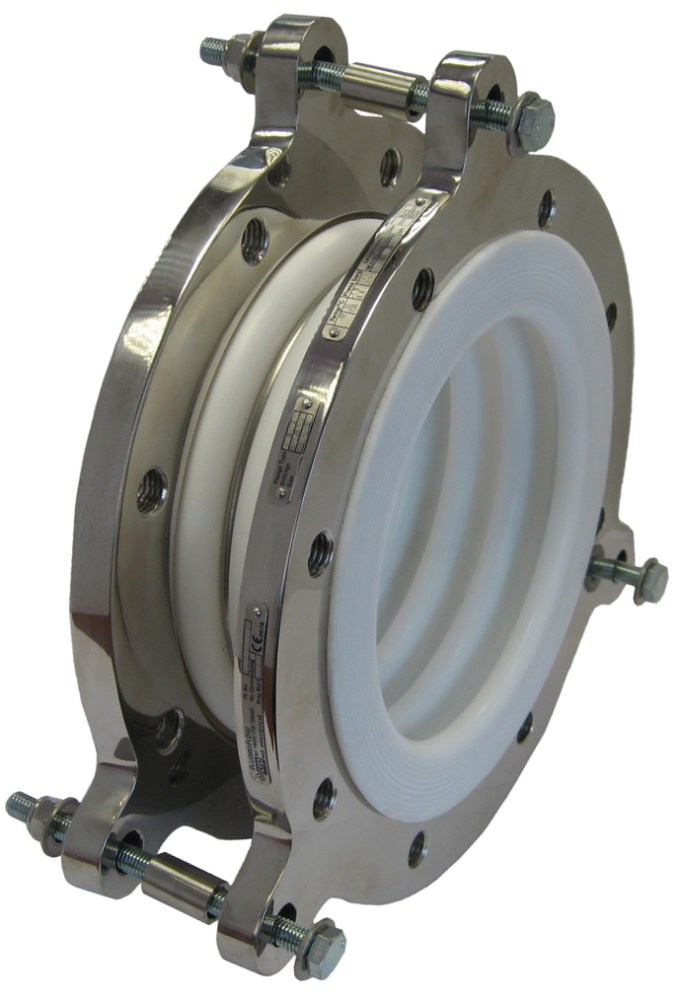
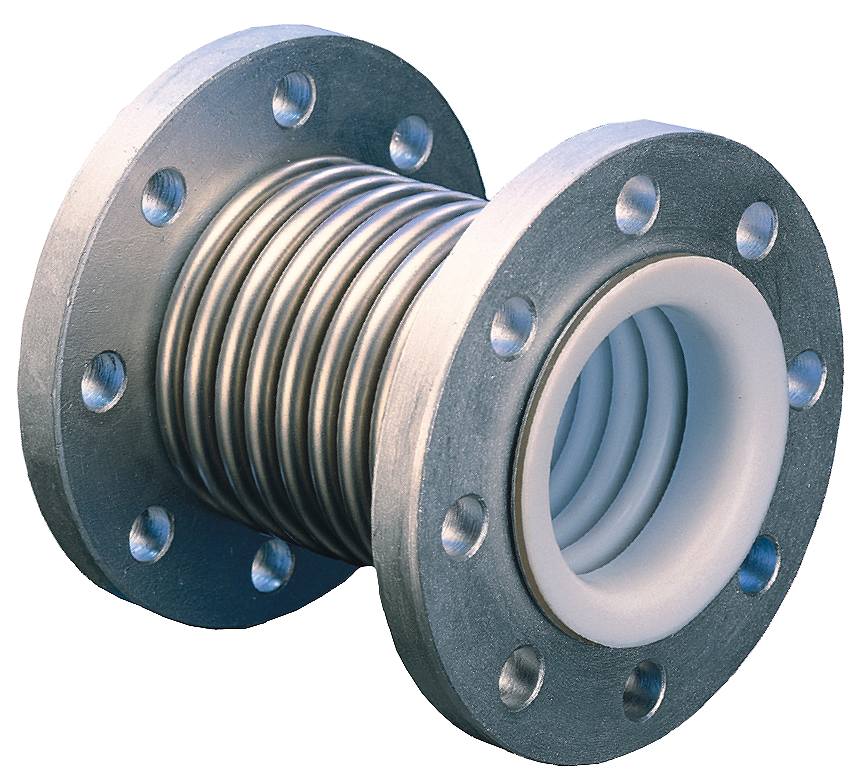
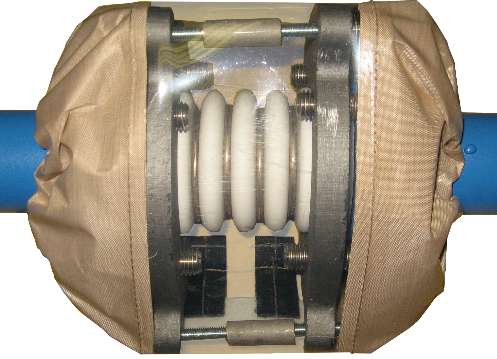
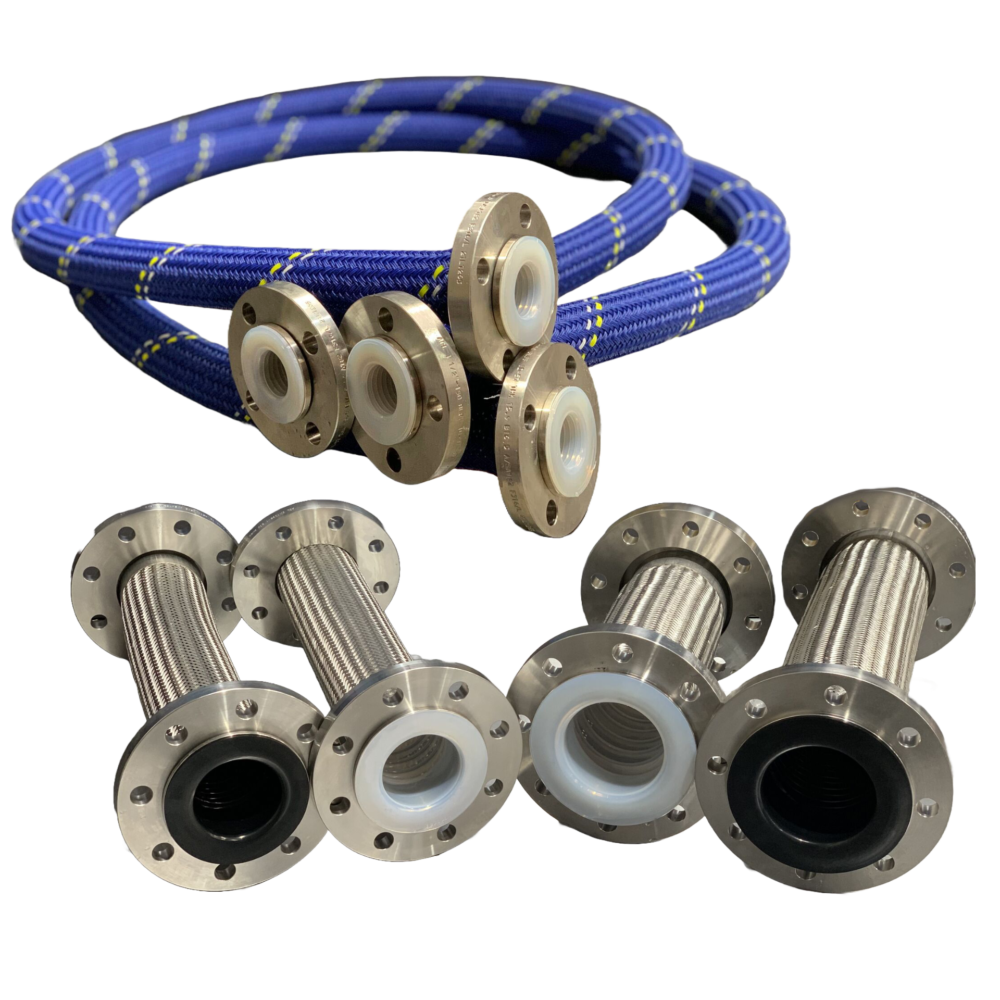
5. Small & Complex piping systems require PTFE bellows to prevent leakages due to thermal expansion.
Cause:
Thermal expansion in fluoropolymer lined piping systems can provide leakages at flange connections and even cracks in steel pipes.
Prevention:
- Do a proper piping design with stress calculations which accounts for thermal expansion.
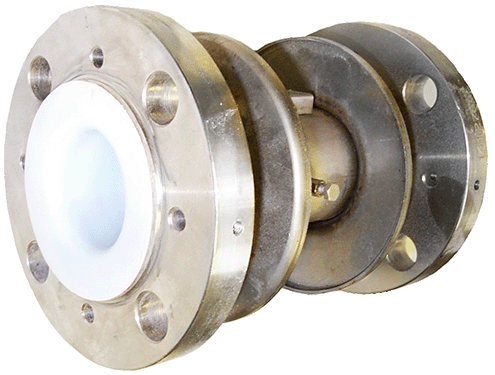
- CRP PTFE Bellows allow a reduction in pipe stress by absorbing thermal expansion of pipework and provide the highest safety level.
Conclusion
PTFE and PFA linings are highly reliable when properly specified, designed, manufactured, and installed. As highlighted by Corrosion Resistant Products Ltd, long operation times even in nasty processes without failures are achievable and stem from controllable factors.
These guidelines are, top quality manufactured products, correct design, proper venting, and insulation if necessary. Informed material selection, operators CRP can help to extend significantly the lifespan and performance of lined systems-reducing downtime, maintenance costs, and safety risks. Choosing CRP as your supplier ensures proven quality and durability, fewer failures, and the lowest total cost of ownership.